

http://www.tibetanbuddhistencyclopedia.com/en/index.php?curid=22887
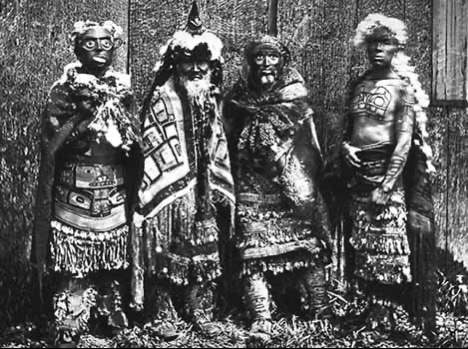
Tibetan shamanism refers to the traditional spiritual practices and belief systems of the indigenous Bonpo people of Tibet, as well as some aspects adopted by Tibetan Buddhism. It is rooted in the ancient pre-Buddhist traditions of Tibet and is characterized by its focus on the interaction between humans, nature, and the spirit world.
Shamans in Tibetan culture are known as “ngakpas” or “ngakmas” and play a central role in connecting the human realm with the spiritual realm. They are believed to have the ability to communicate with spirits, deities, and ancestors and act as intermediaries between these realms. Shamans use various methods such as rituals, chants, drumming, divination, and trance states to enter into communication with the spirit world and seek guidance or healing for individuals or the community.
The practices and beliefs of Tibetan shamanism often involve animism, where everything in nature, including mountains, rivers, trees, and animals, is believed to possess a spiritual essence. There is also a strong emphasis on the worship of local deities and spirits, who are seen as influential beings that can affect human lives and natural phenomena.
With the advent of Buddhism in Tibet, many elements of shamanism were incorporated into Tibetan Buddhism, creating a unique blend of spiritual traditions. Tibetan Buddhism recognizes the existence of various deities and protector spirits and incorporates rituals and practices to appease them. As a result, Tibetan shamanism and Tibetan Buddhism are intertwined in the cultural and religious practices of the Tibetan people.
It is important to note that Tibetan shamanism is a diverse and complex tradition, with regional variations and different lineages of shamans. The practices and beliefs can differ among different communities and may have evolved over time.
 Tantric Deception