

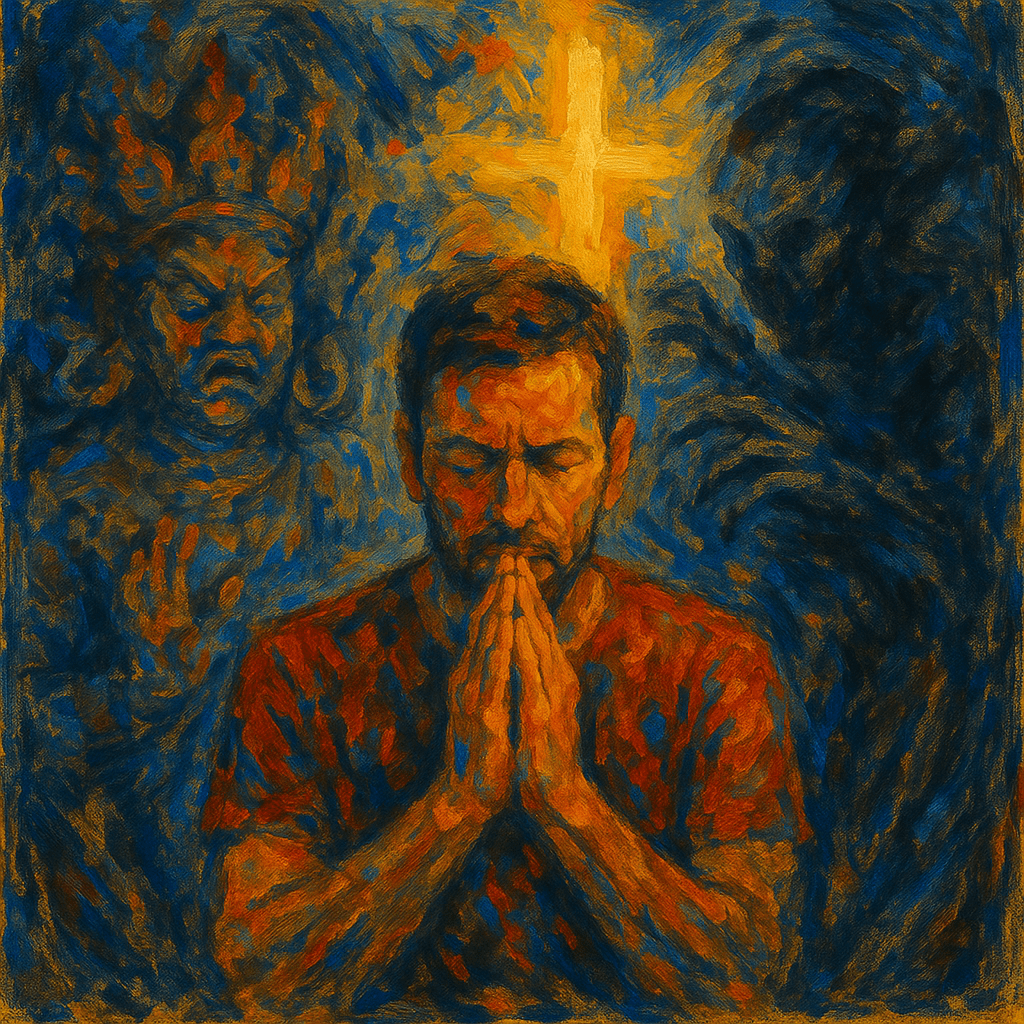
Leaving Tibetan Buddhism is not just a change of belief systems; it can be a deep spiritual battle. For those who’ve practiced tantra, divination, or deity yoga, you may have sensed that something was not right and that which was supposed to be “enlightened” came with confusion, heaviness, and spiritual oppression.
If you’re reading this, you may already be in the process of leaving Tibetan Buddhism or maybe you’re considering it.
Why People Leave Tibetan Buddhism
At first, Tibetan Buddhism can appear beautiful, complex, and pure. But over time, many practitioners begin to discern troubling spiritual dynamics:
- Worship of wrathful deities and demons presented as “enlightened beings”
- Tantric rituals and yoga cause physical and mental anxiety
- Dependence on gurus, where questioning is not allowed but seen as a kind of spiritual betrayal
- Dreams, sleep paralysis, or oppression that begin after initiations or sadhana practices
These are not mere coincidences. The Bible clearly warns against idolatry, necromancy, sorcery, and invoking spirits, practices central to Tibetan tantric systems (Deuteronomy 18:10–12, Galatians 5:19–21):
Deuteronomy 18:10–12 (NKJV)
“There shall not be found among you anyone who makes his son or his daughter pass through the fire, or one who practices witchcraft, or a soothsayer, or one who interprets omens, or a sorcerer, or one who conjures spells, or a medium, or a spiritist, or one who calls up the dead. For all who do these things are an abomination to the Lord, and because of these abominations the Lord your God drives them out from before you.”
Galatians 5:19–21 (NKJV)
“Now the works of the flesh are evident, which are: adultery, fornication, uncleanness, lewdness, idolatry, sorcery, hatred, contentions, jealousies, outbursts of wrath, selfish ambitions, dissensions, heresies, envy, murders, drunkenness, revelries, and the like; of which I tell you beforehand, just as I also told you in time past, that those who practice such things will not inherit the kingdom of God.”
Demonic Retaliation Is Real
When someone leaves these systems, there can be real spiritual backlash and former practitioners often experience:
- Nightmares or visitations
- Voices or intrusive thoughts
- Emotional heaviness and fear
The spiritual world does not easily let go, but Jesus Christ has authority over it all (Luke 10:19), so know that you are not alone.
Step-by-Step: How to Leave Tibetan Buddhism
1. Acknowledge the Truth
Call it what it is. Confess to God that you participated in practices that He calls abomination. There is no shame in this. We were deceived. He already knows and is ready to forgive (1 John 1:9).
2. Renounce All Involvement
With your words backed by your will, say out loud:
“I renounce all involvement in Tibetan Buddhism, tantra, deity worship, and all practices that are not of the one true God. I reject every false spirit of divination and claim the blood of Jesus over my life.”
Destroy objects associated with your past practice: malas, thangkas, statues, books, empowerment trinkets. Do not give them away, but burn, break, or throw them out.
3. Receive Jesus Christ as Lord and Savior
Deliverance comes through a Person, not a ritual. Jesus is the only one who has authority to truly save and set free.
“Lord Jesus, I believe You died for my sins and rose again. I repent and turn to You. Come into my life, forgive me, cleanse me, and fill me with Your Holy Spirit. I make You Lord of my life.”
4. Seek Deliverance Prayer
Depending on your level of involvement, you may need help from mature believers to walk through deliverance. This isn’t superstition but real spiritual warfare. Find a priest and church that understands deliverance ministry.
5. Saturate Yourself in God’s Word and Worship
Replace mantras with Scripture. Replace deity visualizations with the truth of God’s love. This requires patience because it can be a slow process as you’re being spiritually rewired. Read Ephesians, Psalms, and the Gospels daily. If you are Catholic, make a formal confession to a priest. Go to Mass frequently and receive the sacraments. Take steps to convert or revert.
6. Expect Retaliation but Know That You’re Safe
Don’t be surprised if you experience spiritual attack. That’s confirmation you’re on the right path. Demons may try to reassert old ties, but they are already defeated in Christ. You now have authority to rebuke them (James 4:7, Mark 16:17):
James 4:7 (NKJV)
“Therefore submit to God. Resist the devil and he will flee from you.”
Mark 16:17 (NKJV)
“And these signs will follow those who believe: In My name they will cast out demons; they will speak with new tongues;”
Final Thoughts: This Is War, but You’re on the Winning Side
Leaving Tibetan Buddhism may feel like you’re walking away from decades of sincere spiritual seeking. But the reality is: you are walking into the truth, the light, and the freedom that only Jesus can give.
You are not betraying your path but escaping a spiritual system that masked bondage as enlightenment. Demonic deception is real, but the power of Jesus is greater.
He said, I am the way, the truth, and the life. No one comes to the Father except through me” (John 14:6).
You are loved and being called out of darkness. For more information about Deliverance from the Occult, visit www.catholicexorcism.org.

 Tantric Deception