

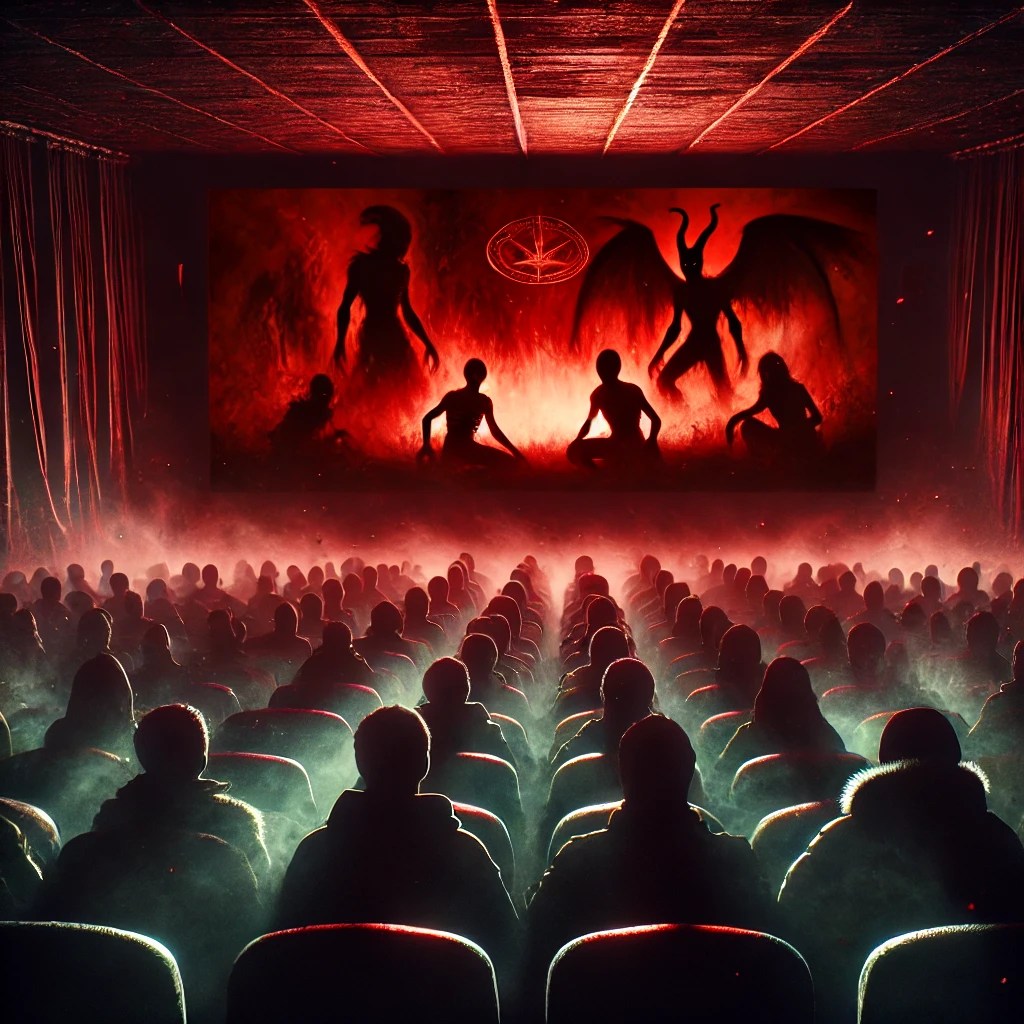
Throughout history, the arts have served as a medium for storytelling, catharsis, and even spiritual reflection. However, in recent years, a growing number of films appear to be crossing a line, one where the portrayal of darkness is not just aesthetic but seemingly invokes real, malevolent forces. The recent release of Nosferatu is a striking example of this unsettling trend.
The Rise of Demonically Charged Cinema
Hollywood has long had an obsession with horror, but there is a distinction between fictional fright and something more sinister. Many films today go beyond mere storytelling and instead seem to act as vessels for darkness, whether intentionally or not. With ever-increasing realism in cinematography, ritualistic imagery, and thematic elements that glorify despair, possession, and the occult, it begs the question: are these films merely depicting evil, or are they summoning it?
The 2024 Nosferatu adaptation, for instance, is drenched in eerie, almost ritualistic cinematography, with scenes and performances that seem unnervingly genuine. Some have noted a palpable sense of dread while watching. Historically, films such as Rosemary’s Baby and The Exorcist have been linked to unexplained phenomena, with actors and crew members reporting disturbing occurrences during production. Could it be that these films do more than just entertain?
Perhaps one of the most infamous cases is Rosemary’s Baby (1968). The film, which delves into themes of satanic cults and demonic influence, was followed by eerie and tragic events. Director Roman Polanski’s wife, Sharon Tate, was brutally murdered by the Manson Family, a crime that many believe had occult connections. Composer Krzysztof Komeda died under strange circumstances, and producer William Castle suffered a series of health issues, including hallucinations of scenes from the film. Some believe the film invited real darkness into the lives of those involved.
Similarly, The Exorcist (1973) was plagued by disturbing incidents, including unexplained fires on set, sudden deaths of cast members, and actors suffering from severe injuries. Linda Blair, who played the possessed child, was allegedly haunted by strange experiences, and some crew members believed the film set itself had become cursed.
The Spiritual Risks of Watching These Films
Engaging with media that dwells in the demonic can have real consequences, both psychologically and spiritually. Here are some dangers to consider:
- Opening Spiritual Doors: Scripture warns us to guard our hearts and minds. When we engage in films that glorify demonic entities or rituals, we may unknowingly open ourselves to oppressive spiritual influences.
- Desensitization to Evil: What once shocked us now entertains us. The more we consume content that normalizes or even romanticizes darkness, the less discernment we have in recognizing spiritual dangers in real life.
- Psychological Impact: Fear, anxiety, and depressive thoughts often accompany those who immerse themselves in horror films saturated with occult symbolism. These effects can linger long after the credits roll.
- Hidden Agendas in Filmmaking: Some directors and producers openly admit to drawing inspiration from real occult practices. This isn’t just fiction but a presentation of real, dangerous beliefs masked as entertainment.
While art and film are powerful tools for storytelling, not all stories are meant to be consumed. There is a fine line between observing evil to understand it and being entangled in it. The spiritual battle is real, and entertainment is one of the most subtle yet effective ways that darkness creeps in. Guard your mind, protect your soul, and choose wisely what you allow into your life.
The question remains: when we watch films that channel darkness, who is truly watching whom?
 Tantric Deception