Kali and Vajrayoginī: A Biblical Perspective


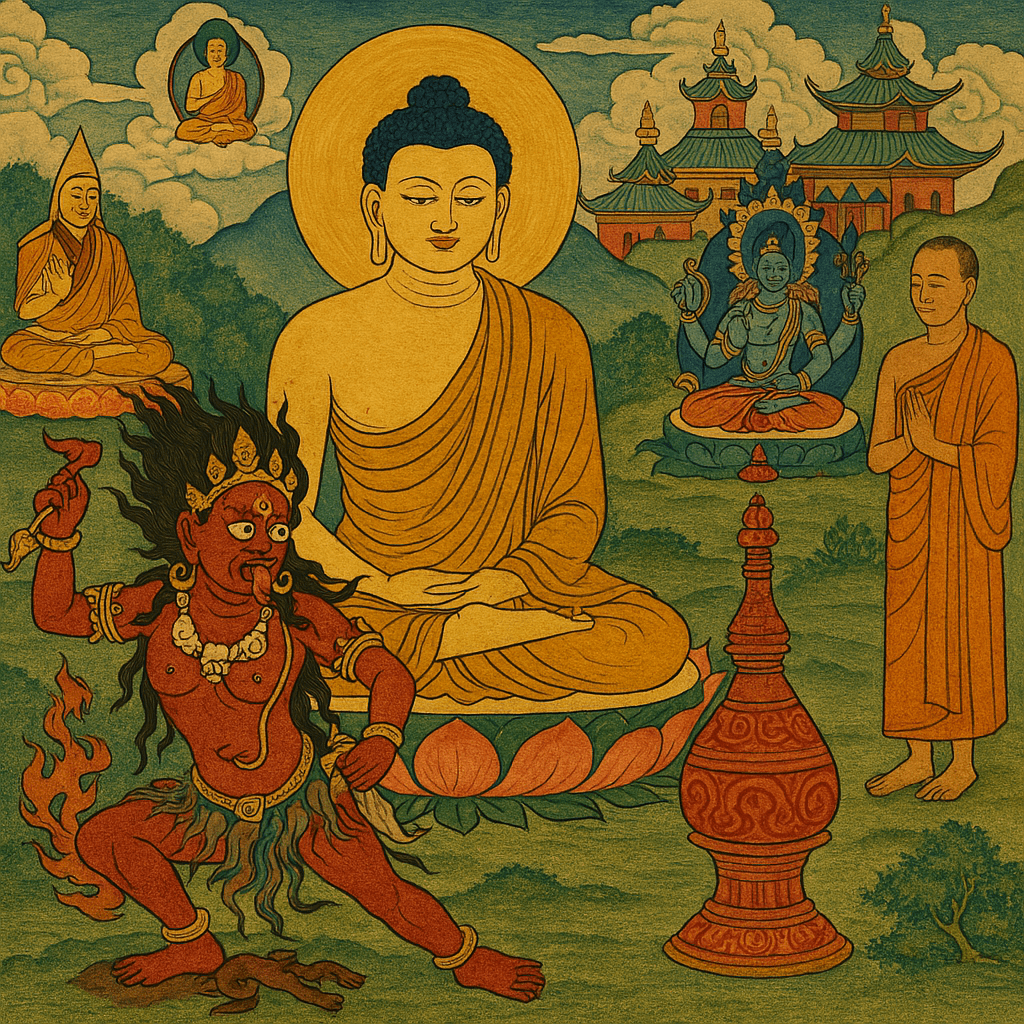
In both Hindu and Buddhist tantric traditions, Kali and Vajrayoginī stand as iconic figures of immense power. Wrathful, seductive, and liberating, they are revered as goddesses who destroy ignorance and ego, leading practitioners to freedom through terrifying grace. They drink blood, wear garlands of skulls, and dance on corpses. These are not symbols for the faint of heart.

Kali, in Hinduism, is the goddess of time and death. She is the dark mother who slays demons, severs illusion, and devours ego. Vajrayoginī, in Vajrayāna Buddhism, is a female buddha who leads devotees to enlightenment through the annihilation of dualistic perception, often through erotic and wrathful means.

Today, many feminists embrace these goddesses as symbols of female empowerment, strength, and liberation from patriarchal religion. But this overlooks the possibility that these figures, far from celebrating womanhood, may actually represent a deep spiritual hostility toward it. The ego-annihilation they demand may not be empowering at all, but destructive, both spiritually and psychologically. When viewed through a biblical lens, one must consider whether these so-called icons of empowerment are in fact hostile agents cloaked in feminine form. From a biblical worldview, who are they really?


Fallen Beings or Demonic Entities

If we take the Bible as the sole and literal authority:

  • There is one true God (YHWH), and worship is due to Him alone.
  • Any supernatural beings outside of YHWH and His angels fall under:
    • Idols (Psalm 96:5 – “For all the gods of the nations are idols”)
    • Deceiving spirits or demons (1 Corinthians 10:20 – “The sacrifices of pagans are offered to demons, not to God.”)

From this view:

DeityBiblical Interpretation
KaliA manifestation of a demonic spirit that seduces worshippers through fear and false power
VajrayoginīA spirit of deception using mystical allure to imitate divine enlightenment

Why They’re Considered Dangerous

1. They Accept Worship Not Meant for Them

  • Worship of any being other than the God of Israel is strictly forbidden. (Exodus 20:3 – “You shall have no other gods before Me.”)
  • Revering supernatural powers outside of God constitutes rebellion and idolatry.

2. They Promote False Teachings

3. They Offer Counterfeit Spiritual Power

  • These goddesses can induce real mystical experiences through the occult third eye, but from a biblical view, such power is not from God.
  • They mimic light and transcendence, offering access to preternatural realms that ensnare souls in spiritual bondage.

Biblical Warnings Relevant to These Figures

  • 2 Corinthians 11:14 – “Even Satan disguises himself as an angel of light.”
  • Deuteronomy 13:1–3 – Even if a sign or wonder comes to pass, if it leads you to follow other gods, it is a test from the Lord.
  • Revelation 9:20 – Condemns worship of “idols of gold and silver… which cannot see or hear or walk.”

Summary (from a Biblical Lens)

Kali and Vajrayoginī are not misunderstood archetypes or symbolic feminine faces of divine truth. From a biblical standpoint, they are false gods or fallen spirits who lure seekers through mysticism, ecstasy, and power into worship that ultimately defies the true and living God.

Their powers are spiritual deceptions, designed to mimic enlightenment while leading souls away from salvation and the truth of Jesus Christ.

To those recovering from tantric abuse or deception: the biblical path does not deny spiritual reality, it affirms that spiritual warfare is real, and that freedom is found in Christ alone, not through altered states, or the worship of seductive wrathful or peaceful goddesses, or any other small “g” god for that matter.

You shall have no other gods before Me.” — Exodus 20:3
The Global Spread of Tantric Buddhism: A Departure from the Buddha’s Teachings?


When people hear the term “Buddhism,” they often imagine a peaceful monk seated under a tree, cultivating mindfulness and inner stillness. They might recall the image of the Buddha, Siddhartha Gautama, who renounced wealth and power to pursue a path of liberation through ethical conduct, meditation, and wisdom. What many do not realize is that across Asia, the original teachings of the Buddha have often been overlaid with rituals, deities, and esoteric practices that resemble occultism more than renunciation. This is especially true with the spread of Tantric Buddhism, also known as Vajrayāna.

Tantric Buddhism, which developed in India around the 6th century CE, introduced rituals, visualizations, secret initiations, deity yoga, and sexual symbolism that were foreign to the early teachings found in the Pāli Canon. While it may have originated in India, the influence of Tantra has spread far beyond the Himalayas. Countries known today for their Theravāda heritage, such as Cambodia, Laos, Vietnam, and Thailand, have all, at different times, been touched or even deeply influenced by Tantric practices. This article traces the spread of Tantric Buddhism and asks a pressing question: Is this fusion of Tantra and Buddhism in harmony with what the Buddha actually taught?


India: The Birthplace of Tantra and the Turning Point

Though Siddhartha Gautama taught a path of non-attachment, the later development of Tantric Buddhism in India marked a dramatic departure. The Tantric path emphasized achieving enlightenment quickly by harnessing the powerful energies of desire, fear, and wrath through ritual and symbolic transgression.

Early Buddhist schools such as Theravāda preserved the monastic, ethical, and meditative disciplines taught by the Buddha. But by the time Vajrayāna emerged, Buddhism in India had evolved into Mahāyāna and beyond, with Tantric elements becoming dominant in institutions like Nālandā and Vikramaśīla monasteries before their destruction. From here, Tantra spread east.


Tibet: The Tantric Stronghold

No country embraced Tantric Buddhism more completely than Tibet. With the arrival of Indian masters like Padmasambhava in the 8th century, Tibet adopted esoteric practices involving deity yoga, ritual offerings (such as torma and blood libations), and secret empowerments. The NyingmaKagyuSakya, and Gelug schools all incorporated tantric texts and practices, often passed orally and practiced in secrecy.

Tibetan Buddhism’s public face often emphasizes compassion and mindfulness, but beneath the surface lies a highly ritualized system of guru devotion, spirit invocation, and occult symbolism. Even the widely admired Dalai Lama is an initiated tantric practitioner who publicly defends the practice of deity yoga and sexual yogas, raising serious questions about his alignment with the historical Buddha’s path.


China: Mixed Influence and Lingering Tantra

In China, the dominant schools of Buddhism have historically been Chan (Zen), Pure Land, and Huayan. However, during the Tang dynasty (7th–10th centuries), Esoteric Buddhism (Mizong) was introduced by Indian masters like Amoghavajra. While it never overtook the native schools, it left a lasting impact in some sects and still survives in diluted form within Chinese folk religion and Taoist-Buddhist syncretism.

Today, Chinese Buddhism largely appears non-tantric, but undercurrents remain, especially in temple rituals involving spirit appeasement, elaborate deity worship, and occult practices inherited from early Tantric transmission.


Vietnam: The Mahāyāna-Tantra Hybrid

Vietnam officially follows Mahāyāna Buddhism, heavily influenced by Chinese traditions. However, tantric rituals were introduced via Chinese Esoteric Buddhism and Indian Tantric texts. Vietnamese temples often blend Pure Land devotion with protective rituals invoking wrathful deities or dhāraṇīs (mantras with supposed magical powers). Such rituals, while less publicized, reveal an undercurrent of occultism beneath an otherwise devotional landscape.


Cambodia and Laos: Theravāda Facade, Tantric Underbelly

Cambodia and Laos are Theravāda countries, yet their histories are steeped in tantric influence from the ancient Khmer Empire. Angkor Wat, though now viewed as a Hindu and Buddhist site, was once home to elaborate Tantric rituals. Statues of multi-armed deities and ritual paraphernalia suggest tantric syncretism flourished.

Today, while the public face of Buddhism in these countries is Theravāda, local shamans (mo phi) and monks alike may engage in protective magic, spirit invocations, and talisman-making, practices more akin to Tantric ritual than Theravādan restraint.


Thailand: Theravāda Mixed with Occultism

Thailand is often held up as a bastion of Theravāda purity, yet here too the line between Buddhism and occultism blurs. Amulets, tattoos (sak yant), and rituals to appease spirits are common. Many monks perform rituals invoking Phra Ngang or other spirits linked to animistic or tantric practices. While not called Tantra, the ritual culture that has evolved in Thailand includes aspects strikingly similar: mantras, yantras, invocations, and guru devotion.


The Buddha vs. Tantra: Are They Compatible?

The question at the heart of this analysis is critical: Do tantric practices align with the historical Buddha’s teachings?

The Buddha emphasized renunciation, morality, mindfulness, and wisdom. He warned against magic, ascetic extremism, and blind devotion to teachers. He discouraged speculation about supernatural powers and encouraged liberation through insight and ethical living.

Tantric Buddhism, by contrast, often involves oath-bound secrecy, symbolic transgression (including sexual union and consumption of taboo substances), and reliance on supernatural beings and powers. In many forms, it is more reminiscent of sorcery than liberation.

Bluntly stated, Tantra is not a spiritual shortcut, but a dangerous detour. It promises power, but often delivers confusion and spiritual enslavement. For survivors of tantric abuse, like myself, it’s critical to shine a light on how these practices have hidden behind the Buddha’s name and image for centuries. As Tantric Buddhism spread across the globe, from Tibet to Thailand, from China to Cambodia, it cloaked itself in the language of compassion and enlightenment; however, its methods betray a different source, one that leans toward secrecy, manipulation, and occultic power rather than truth and freedom.

Jesus Let Me Walk Away; the Gurus Did Not


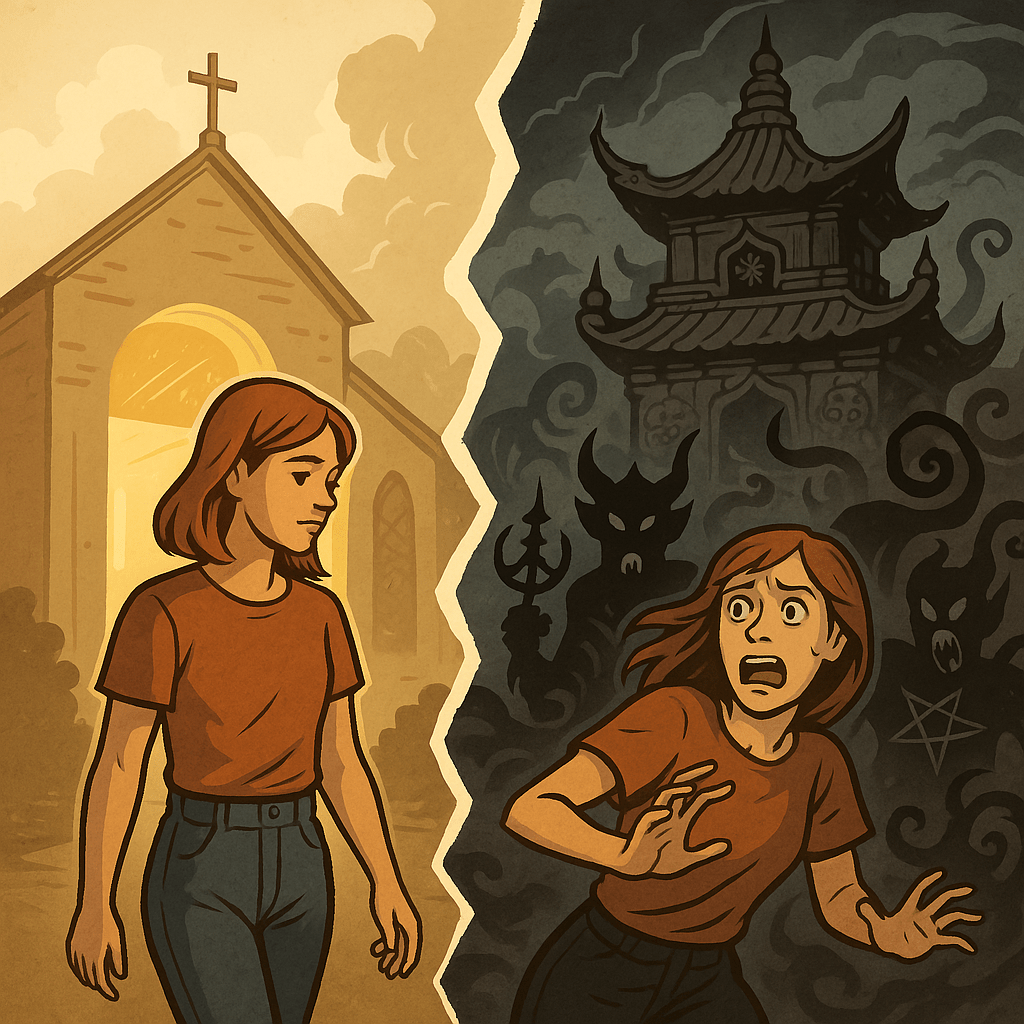
When I was fifteen, I walked away from the Catholic Church.

There was no drama, no spiritual backlash, no eerie sense of guilt or dread. I simply left. I had questions, and I didn’t know the answers. Like so many teenagers raised in religion, I drifted toward freedom, or what I thought was freedom. But I never stopped believing in Jesus Christ. I always knew He was real.

Still, for eight years, I lived outside the Church. No demons haunted me. No spiritual “agents” came after me. No dark force tried to pull me back or punish me. I was free to explore.

Then, at twenty-three, I was introduced to Tibetan Buddhism by a friend. Spiritual curiosity quickly became commitment. The teachings were deep, the rituals profound, and the promises huge. My belief in Jesus wasn’t challenged outright; instead, the gurus cleverly and swiftly recast Him as a “bodhisattva,” one of many enlightened beings in a cosmic buffet of spiritual options. I was told He was admirable, but not unique. Just another wise, and probably enlightened teacher.

I didn’t realize then how that subtle shift had planted the seeds of spiritual confusion. Over time, the practices became more demanding and more secretive. Eventually questions weren’t welcomed. When I began to notice darker occult elements woven into the heart of the practice, I had troubling doubts. The tantric path spoke of vajra hell, an eternal punishment for those who questioned or broke samaya (spiritual vows to the guru). And not just for betrayal or disobedience, but even for internal doubts.

And when I had them, everything changed.

I was tossed out. Not just socially or emotionally, but spiritually. I was attacked, not just by my former gurus, but by unseen forces. It was violent and supernatural. The very same tradition that had claimed to offer peace and enlightenment unleashed something very dark the moment I started to turn away from the guru.

This wasn’t like walking away from the Catholic Church. It was completely different. I experienced a spiritual assault of such magnitude that no one could believe me. And it begged the question: What kind of spiritual path tortures you for eternity for having doubts?

A demonic path does.The historical Buddha taught to question everything, but tantra did not allow it.

Tibetan Buddhism may parade as a tradition of compassion and peace, but my experience showed otherwise. If it were truly of the Light, it wouldn’t need to threaten vajra hell or unleash invisible tormentors on those who simply ask blunt and honest questions. It wouldn’t need to cloak the guru in infallibility while turning a blind eye to his abuse. And it certainly wouldn’t need to demonically retaliate against a soul simply for having doubts and trauma. The difference between the two paths couldn’t be clearer. When I left the Church, there was silence. When I left Tibetan Buddhism, there was war.