
The Attraction of Magic in Western Culture: A Biblical Perspective


Magic has long held a powerful allure in Western culture, woven into childhood stories, entertainment, and even everyday practices. From the entrancing fairy tales of Europe to modern pop culture phenomena like Harry Potter, the fascination with the mystical and supernatural has deeply shaped our collective imagination. Yet, while magic appears enchanting and harmless, Scripture warns us of its true nature and the dangers it poses to our souls.

The Allure of Magic in Childhood and Popular Culture

From an early age, children are introduced to magical themes through classic fairy tales and princess stories. Cinderella has a fairy godmother who transforms her fate with a wave of a wand. Sleeping Beauty and Snow White showcase witches casting spells, while Beauty and the Beast features an enchantress who curses a prince. These tales, though seemingly innocent, normalize the idea that magic is often a force for good.

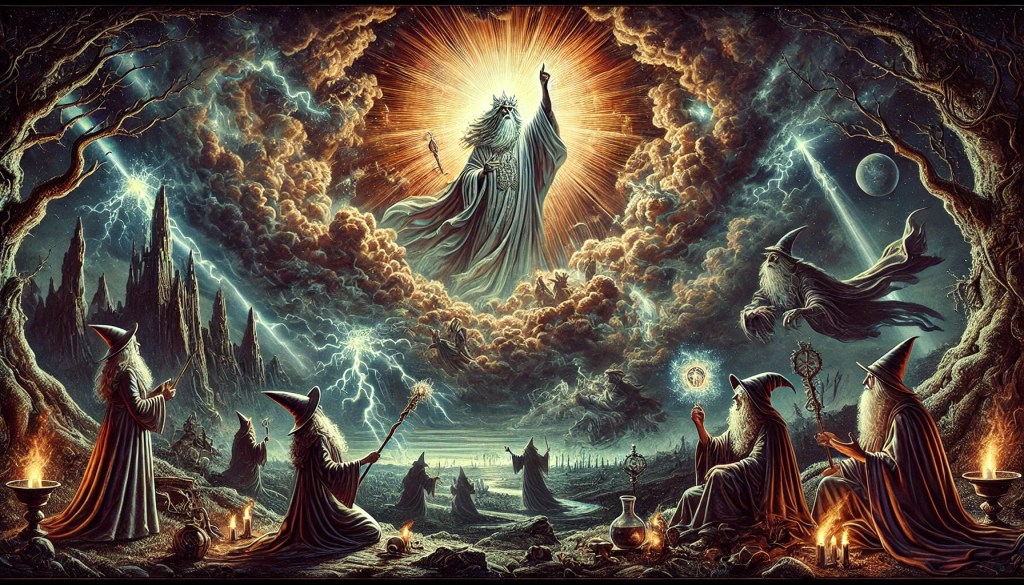
Modern fantasy literature and films have reinforced this fascination with the supernatural. Harry Potter popularized wizardry and spellcasting, portraying them as exciting and even virtuous. Meanwhile, Ouija boards are marketed as mere games, despite their real connections to spirit communication. The 1973 horror film The Exorcist, based on a true story, illustrates the dangers of such practices. In reality, a young boy became possessed after playing with a Ouija board with his aunt. Though the film dramatized certain elements, the actual events were even more chilling. Additionally, fortune telling, astrology, tarot cards, and horoscopes have become widely accepted as harmless entertainment, masking the serious spiritual risks they pose.

These magical themes desensitize people, especially children, to the reality of occult practices. What begins as entertainment can lead to deeper interest and eventual participation in practices that God expressly forbids.

Biblical Warnings Against Magic and the Occult

The Bible is clear in its condemnation of witchcraft, sorcery, and all forms of divination. These practices are not neutral or harmless but rather open doors to demonic influences. God commands His people to stay away from such things:

  • Witchcraft is forbidden – “Thou shalt not suffer a witch to live.” (Exodus 22:18)
  • Divination is detestable – “There shall not be found among you anyone who… uses divination, practices witchcraft, or interprets omens.” (Deuteronomy 18:10-12)
  • Necromancy is condemned – “Do not turn to mediums or seek out spiritists, for you will be defiled by them.” (Leviticus 19:31)
  • Magic and sorcery are tied to judgment – “But the cowardly, unbelieving, abominable, murderers, sexually immoral, sorcerers, idolaters, and all liars shall have their part in the lake which burns with fire and brimstone.” (Revelation 21:8)

The story of King Saul consulting the witch of Endor (1 Samuel 28:6-7) illustrates the grave consequences of seeking guidance outside of God’s will. Similarly, Acts 19:19 records how new believers burned their books of magic as a sign of their repentance.

The Hidden Dangers of the Occult

Many who delve into magic, Wicca, and New Age practices do so out of curiosity or a desire for control over their lives. However, these practices deceive people into thinking they are gaining wisdom and power when, in reality, they are exposing themselves to spiritual bondage.

The devil masquerades as an angel of light (2 Corinthians 11:14), making magic appear appealing and even beneficial. Yet, as Zechariah 10:2 warns, “The idols speak deceit and diviners see visions that lie.” Engaging in these practices can lead to oppression, deception, and separation from the only true God.

Engaging in witchcraft, even so-called “white magic” spells, places one in deep spiritual debt to demonic forces. Many practitioners believe that white magic is harmless or even benevolent, but Scripture makes no distinction, all forms of witchcraft come from the same dark source. When someone casts a spell, invokes spirits, or seeks supernatural aid outside of God, they are entering into an agreement with demonic entities, whether they realize it or not. Demons do not offer power or knowledge freely; they always demand something in return. At first, their influence may seem subtle and provide results. This can increase fascination with magic, or offer a false sense of control. However, over time, this influence grows, leading the practitioner further into spiritual deception and dependence. This can quickly evolve into obsession, addiction, and ultimately, spiritual enslavement. Isaiah 8:19 warns, “When they say to you, ‘Consult the mediums and the spiritists who whisper and mutter,’ should not a people consult their God? Should they consult the dead on behalf of the living?” Seeking power outside of God’s will always comes at a cost. Those who engage in witchcraft often find themselves plagued with spiritual attacks, demonic oppression or possession, and an increasing inability to break free from their involvement.

Acts 16:16 tells of a slave girl who practiced divination and brought her owners great profit. However, when Paul cast out the spirit that enabled her fortune-telling, she immediately lost her powers, revealing that her abilities had come from demonic oppression, not personal skill. This account underscores the reality that magical practices are not self-generated, but are granted by spirits who expect repayment.

Guarding Ourselves and Our Children

As Christians, we must be vigilant in protecting ourselves and our families from the influence of the occult. Here are some practical ways to guard against the infiltration of magic in our lives:

  1. Teach children biblical truth – Instill in them a love for God’s Word so they can discern between good and evil. (Proverbs 22:6)
  2. Remove occult influences – Get rid of books, movies, games, and objects that promote witchcraft or supernatural themes contrary to Scripture. (Acts 19:19)
  3. Pray for discernment – Ask the Holy Spirit for wisdom in recognizing hidden occult influences. (James 1:5)
  4. Encourage a love for Christ, not magic – Rather than looking for excitement in the supernatural, teach children to find joy in a relationship with Jesus Christ.

Magic is deeply embedded in Western culture, from childhood fairy tales to modern entertainment. While it may seem harmless and fun, the Bible warns us that magic and the occult are gateways to spiritual deception. As believers, we must remain vigilant, guarding our hearts and homes against practices that draw us away from God. Instead, let us cling to the truth of Scripture, teaching our children to trust in the Lord and reject the false allure of magic.

“Have nothing to do with the fruitless deeds of darkness, but rather expose them.” (Ephesians 5:11)


Ancient Grimoires, Pagan Rituals, and the Biblical Warning


Throughout history, humans have sought ways to control nature, heal diseases, and influence their surroundings through ritualistic means. In some traditions, these practices were written down in books of spells, known as grimoires, that provided detailed instructions for supernatural interventions. While such texts may appear as cultural artifacts, the Bible warns against engaging in these kinds of rituals, associating them with the pagan practices of idol worship and demon invocation.

One such example is a Tibetan grimoire from the 9th or 10th century, which includes a ritual using a frog effigy to cure diseases attributed to nagas or serpent-like water spirits believed to control rain and fertility. The ritual involves crafting a frog from barley flour, applying a special ointment to the affected area, and performing visualizations to drive out the ailment. The effigy is then placed near a spring with incense offerings to complete the healing process.¹

A modern parallel to this practice can be found in Nepal, where villagers perform a rain-making ceremony. This ritual, blending Tibetan and Hindu elements, involves crafting wax frog effigies filled with mystical inscriptions and black dog excrement. One effigy is submerged in a sacred spring, while the other is burned at a crossroads to compel serpent-spirits and sky deities to release rain.¹ These practices, rooted in ancient beliefs, illustrate a continued reliance on rituals to manipulate nature.

The Tibetan Grimoire: A Book of Spells and Ritual Power

The Tibetan grimoire in question provides a fascinating glimpse into the ritualistic practices of Buddhist monks from the early medieval period. Inscribed on stitched-together leaves of paper, this spellbook belonged to Bhikṣu Prajñāprabhā, a Buddhist monk whose name appears on its cover.²

Its contents include a wide variety of spells and rituals, such as:

  • Prophecies and Divination – Techniques for foreseeing future events.
  • Demon Subjugation – Methods to bind and control malevolent spirits.
  • Conflict Resolution – Spells to pacify enemies and restore friendships.
  • Wild Animal Control – Incantations to protect against dangerous beasts.
  • Resource Generation – Spells to locate hidden treasures or create valuable objects.
  • Healing Practices – Rituals for curing illnesses, including severe ailments and mental disturbances.
  • Control Over Natural Phenomena – Invocations to summon springs or alter water flow.

One particularly complex ritual in the grimoire is a fire puja (homa), intended to cure insanity. This ceremony involves offering specific items into a ritual fire while reciting sacred formulas.² Such practices reflect a deep intertwining of spiritual and practical concerns, with Buddhist monks acting as intermediaries between the divine and human realms.

The Biblical Warning: Pagan Rituals and the Israelites’ Downfall

These rituals and grimoires bear striking resemblance to the pagan practices that God repeatedly warned the Israelites against. The Old Testament contains clear instructions to avoid divination, sorcery, and calling upon spirits. In Deuteronomy 18:10-12, God explicitly forbids these activities, declaring them an abomination.

Despite these warnings, the Israelites often fell into syncretism, combining their worship of God with the rituals of the surrounding nations. Their participation in idol worship, sacrifices to false gods, and magical rites ultimately led to their downfall. The Babylonian exile was one of the greatest consequences of their disobedience, demonstrating the dangers of engaging in forbidden spiritual practices.

Does the New Testament Forbid These Practices?

The New Testament continues to condemn such rituals. Galatians 5:19-21 lists sorcery among the “acts of the flesh,” warning that those who engage in it will not inherit the Kingdom of God. Acts 19:19 recounts how new believers in Ephesus publicly burned their books of magic, signifying their rejection of occultism in favor of Christ.

The Bible consistently teaches that attempts to control nature or the spirit world through mystical means, whether through Tibetan grimoires, pagan idol worship, or modern occult practices, are not merely neutral cultural traditions but spiritual dangers that lead people away from God.

What Can Modern Christians Learn?

The lesson from both the Old and New Testaments is clear: Christians must reject practices that seek power through forbidden spiritual means. Even if these rituals appear harmless or are framed as “folk traditions,” they ultimately fall into the category of divination and magic condemned by Scripture. The Israelites’ downfall serves as a warning that straying from God’s commandments leads to spiritual ruin.

As modern Christians navigate a world filled with fascination for ancient practices, new age mysticism, and spiritual rituals such as those found in Tibetan Buddhism, they must remain vigilant. The Bible offers the only true path to spiritual salvation through reliance on God alone.


Footnotes:

¹ Sam van Schaik, “Two Frogs a Thousand Years Apart,” Early Tibet, September 23, 2011. https://earlytibet.com/2011/09/23/two-frogs-a-thousand-years-apart/.

² Sam van Schaik, “A Tibetan Book of Spells,” Early Tibet, February 19, 2009. https://earlytibet.com/2009/02/19/a-tibetan-book-of-spells/.


The Deceptive Allure of Occult Practices and the Indelible Mark of Christian Baptism


Many individuals in the Western world grow up in homes steeped in Judaeo-Christian traditions, often baptized as children and raised with an understanding of Jesus Christ as the central figure of faith. Yet, as they mature, many are drawn into Eastern religious practices that promise inner peace and spiritual enlightenment. This pull toward Eastern religions, particularly Tibetan Buddhism and its practices, is sometimes presented as harmless, even compatible with Christian teachings. In my own experience, some Tibetan Buddhist teachers have claimed that there is no conflict between the teachings of Christ and those of Tibetan Buddhism. While this may sound like a comforting and inclusive message, it is, at best, misleading, and at worst, a dangerous lie that leads many Christians astray.

For individuals baptized into the Christian faith as infants or children, an indelible spiritual imprint occurs on the soul, one that marks them as belonging to the God of the Bible. This sacred act establishes a direct relationship with the Creator, which stands in stark contrast to the beliefs and practices found in Eastern religions. Despite this foundational truth, many are lured into a syncretic blend of Christian teachings with the mystical, spiritual practices of Buddhism, Hinduism, or other occult traditions. The danger lies in the fact that this mixture ultimately dilutes or distorts one’s Christian identity and opens individuals to the influence of deceptive spiritual forces.

The Danger of Syncretism: Mixing Christian Faith with Pagan Practices

The claim that Jesus’ teachings and Tibetan Buddhism can coexist is rooted in a concept known as syncretism, the blending of two or more belief systems. While this may seem like a path to spiritual open-mindedness and personal growth, the Bible clearly warns against such practices. The Old Testament is filled with injunctions against idolatry and the worship of foreign gods, whether in the form of pagan deities or mystical spiritual practices.

In Deuteronomy 18:9-14, God commands His people to avoid any form of divination, sorcery, or magic, practices that are prevalent in many Eastern traditions. These acts are considered detestable to God and directly oppose the purity of worshiping the one true Creator God. These prohibitions apply just as much today as they did thousands of years ago, even if modern expressions of occultism have evolved and adapted into seemingly more “acceptable” forms, like meditation or chakra healing.

When individuals who have been baptized in the Christian faith engage in practices like Buddhist meditation, energy work, or divination, they risk opening themselves up to dark spiritual forces. The Bible warns against such practices not only because they involve the worship of false gods but because they undermine the central role of Christ as the sole mediator between God and humanity. Jesus himself makes this clear in John 14:6 when He says, “I am the way, the truth, and the life. No one comes to the Father except through me.” To engage in Eastern religious practices is to step away from that singular path to salvation.

The Spiritual Imprint of Baptism: A Mark of Belonging to the Christian God

Moreover, for those baptized as children, the Bible teaches that baptism is not merely a symbolic act but a profound spiritual marking of the soul. In baptism, one is initiated into the life of Christ and made part of His Church. This sacred act is intended to be the foundation of a lifelong relationship with God, one that is in direct opposition to pagan practices.

Romans 6:3-4 tells us that in baptism, we are “buried with him through baptism into death in order that, just as Christ was raised from the dead through the glory of the Father, we too may live a new life.” This new life is one marked by obedience to God and rejection of all that seeks to draw us away from Him. Pagan religious systems, including Eastern occult practices, offer a counterfeit spirituality that leads away from Christ, not toward Him. The baptismal mark on a Christian soul is a direct line of connection to the one true God and should not be confused with the spiritual practices that often accompany other belief systems.

While Eastern religions may offer an alluring promise of inner peace or spiritual awakening, they can never replace the saving grace found in Christ. The temptation to seek answers outside of the Christian faith leads individuals into dangerous spiritual territory, where demonic influence can gain a foothold. The apostle Paul warns in 2 Corinthians 11:14-15 that “Satan himself masquerades as an angel of light,” and many false teachers will appear to offer what seems like truth but ultimately lead people astray.

The Spirit of Divination: The Third Eye and Demonic Portals

The Bible also highlights the dangers of divination, which are common practices in many Eastern traditions, including Tibetan Buddhism. One vivid example is found in Acts 16:16-18, where the apostle Paul encounters a slave girl who possesses a spirit of divination. This spirit enables her to predict the future. The girl follows Paul and his companions, shouting that they are servants of the Most High God, which seems to align with truth, but in reality, the spirit she possesses is a demonic force.

Paul, recognizing the deception, casts out the demon of divination, saying, “In the name of Jesus Christ, I command you to come out of her!” (Acts 16:18). This moment is significant because it reveals the true nature of divination: it is not a benign spiritual gift or insight, but rather a demonic influence. The spirit of divination that Paul confronts is the very same one that oversees the opening of the occult “third eye,” a concept in Eastern occultism often linked to psychic abilities and spiritual awakening.

The “third eye” or so-called “wisdom eye” is considered by many as a metaphysical organ that allows one to access hidden spiritual realms and tap into supernatural knowledge. However, the Bible warns against such practices because they open a door to the preternatural world, a world where demonic spirits can influence and deceive those who seek power outside of God. This “third eye” is not a gateway to divine enlightenment but a portal that leads into the realm of darkness, where demons dwell and influence human lives. Jesus is the only true source of spiritual insight and enlightenment. Any attempt to open one’s spiritual eyes outside of Christ is a dangerous invitation to demonic oppression.

The Spiritual Dangers of Divination, Meditation, and Yoga

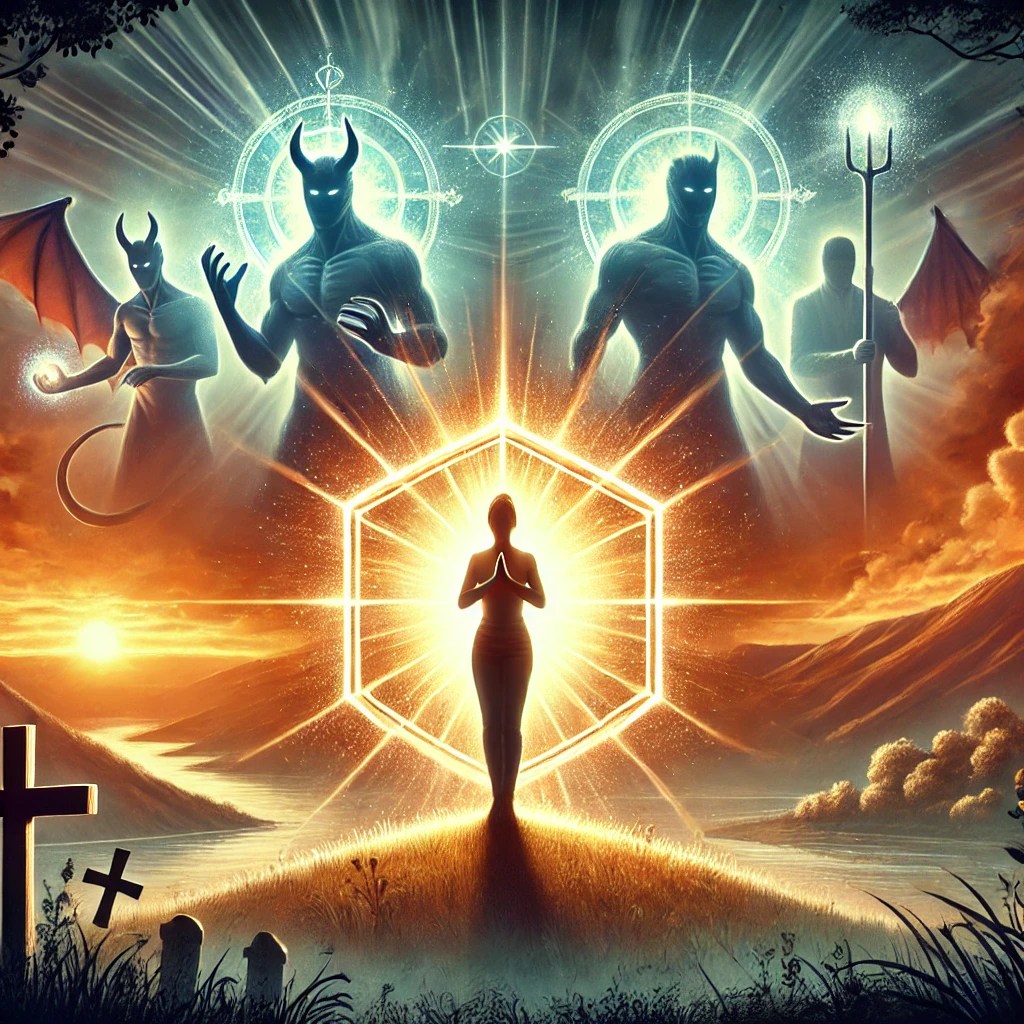
Eastern religious practices often involve forms of meditation or yoga that encourage individuals to connect with unseen spiritual forces. Tibetan Buddhist meditation, for example, often involves visualizing deities or engaging in rituals that invite spiritual forces into one’s body and mind. Energy work and chakra healing, popular in New Age practices, propose that spiritual power can be manipulated through physical means or harnessed from the universe. However, the Bible teaches that all spiritual power comes from God alone and that seeking power outside of Him is an act of rebellion. In Ephesians 6:12, Paul reminds us that our battle is not against flesh and blood but against “the rulers, the authorities, the powers of this dark world and against the spiritual forces of evil in the heavenly realms.” Engaging in occult practices, however begin they may seem, opens individuals to these forces of darkness.

Conclusion: Remain Faithful to Your Christian Roots

It is crucial for those of the Christian faith to understand the deep spiritual dangers that arise from dabbling in occult practices, particularly those from Eastern religions. The temptation to blend the Biblical teachings with those of pagan systems is not new, but it remains just as dangerous today as it was in ancient times. God calls His people to remain pure in their worship, to avoid the seductive allure of false spiritual practices, and to stand firm in the faith that was once for all entrusted to the saints (Jude 1:3).

Christ is the only way to salvation, and any attempt to mix Him with other gods or spiritual practices ultimately leads to deception and destruction. Baptism marks a Christian as belonging to God, and that identity must not be compromised by the pursuit of false teachings. Therefore, stand firm in the faith, and guard hearts and minds against the dangerous allure of Eastern occult practices.

The Authority of Scripture in Spiritual Warfare: Fighting Demons with God’s Word


Throughout the Bible, God’s Word is described as a powerful and transformative force capable of addressing the deepest struggles of humanity, including the battle against evil. For Christians who are engaging in spiritual warfare and fighting against demonic forces, using the Bible is not only permissible but deeply rooted in scriptural authority. Here, we explore how the Bible provides this foundation and clarify why this practice is far removed from the realm of magic.

The Sword of the Spirit: The Word as a Weapon

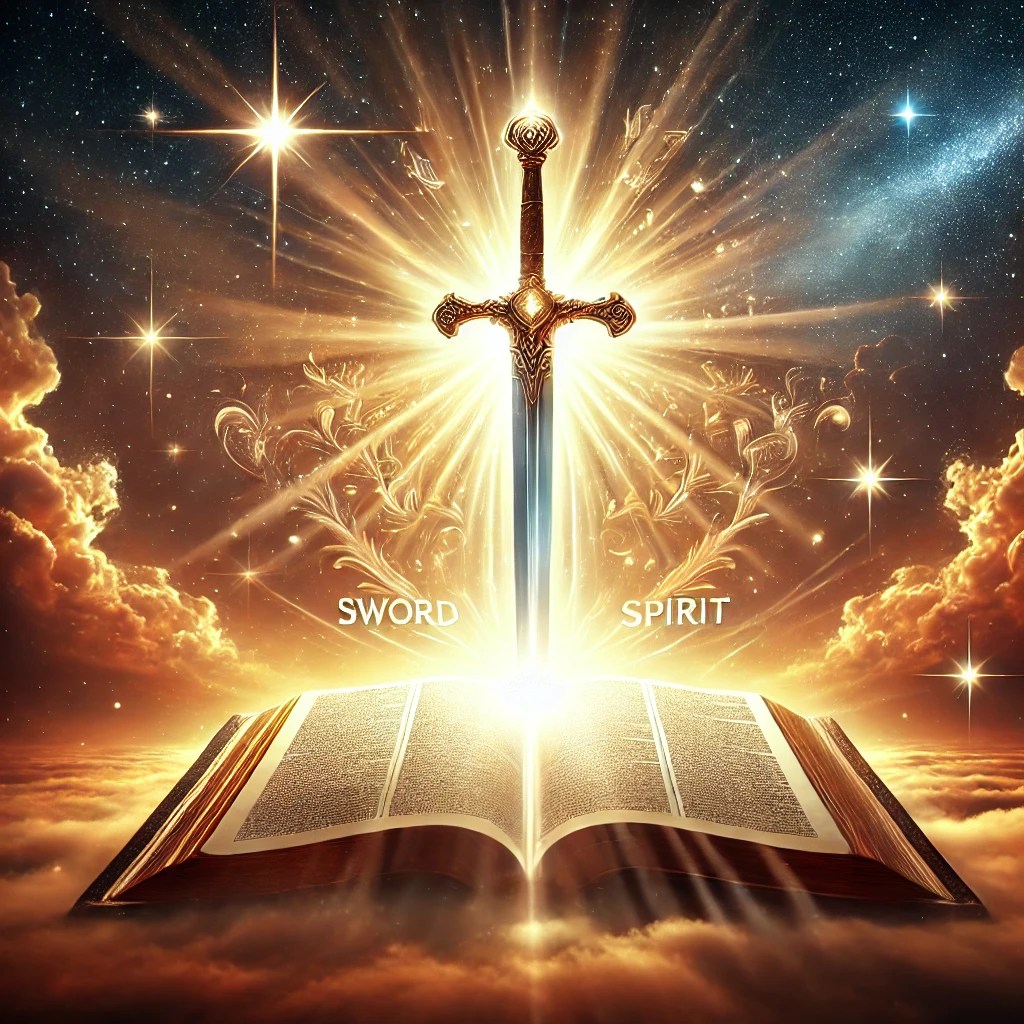
Ephesians 6:17 declares, “Take the helmet of salvation, and the sword of the Spirit, which is the word of God.” Paul describes the Word of God as a vital piece of the “armor of God,” emphasizing its role as an offensive weapon against spiritual challenges. This imagery highlights the Bible’s unique power to confront and dismantle evil. Hebrews 4:12 echoes this sentiment, calling the Word “living and active, sharper than any two-edged sword” that can discern and pierce the heart’s deepest intentions.

Unlike physical combat, spiritual warfare relies on divine power, as Paul reminds us in 2 Corinthians 10:4-5: “For the weapons of our warfare are not of the flesh but have divine power to destroy strongholds.” Here, Scripture becomes a tool to demolish false arguments and thoughts that stand against the knowledge of God.

 The Tongue’s Role in Warfare

Proverbs 18:21 asserts that “Death and life are in the power of the tongue.” Words hold immense spiritual weight, capable of uplifting or destroying. When believers declare God’s promises and truths against demonic attacks, they engage in a profound act of spiritual resistance. This isn’t incantation; it is aligning one’s voice with God’s truth, as demonstrated in Jesus’ own confrontations with Satan (Matthew 4:1-11).

David’s Example: Seeking Divine Intervention

Many Psalms, including Psalm 35 and Psalm 18, depict David calling upon God to intervene against his enemies. Psalm 35:3 implores, “Draw the spear and javelin against my pursuers! Say to my soul, ‘I am your salvation!’” These passages illustrate that God is actively involved in protecting His people. The believer’s reliance on Scripture as a form of prayer and declaration invokes God’s power rather than personal ability.

Spiritual Warfare Is Not Magic

It is essential to distinguish between the use of Scripture in spiritual warfare and the practice of magic. Magic seeks to manipulate spiritual forces through rituals or incantations. Spiritual warfare, by contrast, is rooted in submission to God’s authority and reliance on His power. Jeremiah 23:29 underscores the potency of God’s Word, describing it as a “fire” and a “hammer” that breaks rock into pieces. This power is not harnessed through human will but through divine will, activated by faith.

Cosmic and Divine Intervention

Judges 5:20 provides an intriguing insight: “From the heavens the stars fought, from their courses they fought against Sisera.” This poetic account reveals that God’s creation itself aligns with His purposes to combat evil. Believers today can trust that when they rely on God’s Word, they are not fighting alone but are part of a divine strategy against darkness.

Faithfulness and Authority

Revelation 2:26-27 promises authority to those who remain faithful: “To the one who is victorious and does my will to the end, I will give authority over the nations…” This passage reassures Christians that their victory in spiritual warfare is part of their inheritance in Christ. They wield God’s Word not as a mystical tool but as an authoritative proclamation of His truth.

 A Call to Action

In engaging in spiritual warfare, Christians are called to:

1. Equip Themselves with Scripture: Memorize and meditate on verses like Ephesians 6:17 and Hebrews 4:12 to understand the authority of God’s Word.
2. Speak with Faith: Use the tongue to declare God’s promises, as Proverbs 18:21 encourages.
3. Submit to God: Recognize that victory comes from His power, not human strength, as emphasized in 2 Corinthians 10:4-5.
4. Rely on God’s Intervention: Trust in His active involvement, as depicted in the Psalms and throughout the Bible.

Spiritual warfare using God’s Word is not an act of mysticism but a profound alignment with His divine authority. As believers stand firm in Scripture, they demonstrate faith in the living and active power of God, wielding the “sword of the Spirit” with confidence and trust. By doing so, they participate in a battle already won by Christ, assured of ultimate victory.

A Warning to all Sorcerers & Witches

A Divine Warning Against Deception

Ezekiel 13:17–23

The Bible is filled with moments where God addresses His people with powerful words of correction and truth. One such passage is Ezekiel 13:17–23, a striking call to accountability for those who misuse spiritual practices to ensnare people into the occult for their own gain. Though spoken thousands of years ago, this scripture resonates today, challenging us to examine our own hearts and the influences we allow into our lives.


The Context: False Prophets Among the People

Ezekiel was a prophet sent by God to the people of Israel during their exile in Babylon. His mission was to deliver messages of both warning and hope. In this passage, God speaks against the women of Israel who were engaging in deceitful practices such as using magical charms and veils of obscuration to manipulate and ensnare others. These women falsely claimed divine authority, profiting from their lies while leading people away from God.


Scripture Text

“Now, son of man, set your face against the daughters of your people who play the prophet from their own imagination. Prophesy against them. You shall say: Thus says the Lord God: Woe to those who sew bands for everyone’s wrists and make veils for every size of head to snare lives! You ensnare the lives of my people, even as you preserve your own lives.” (Ezekiel 13:17–18)

This passage illustrates the gravity of misleading others in the name of spirituality. These individuals exploited their influence, creating spiritual traps for the vulnerable while securing their own comfort and safety.


A Deeper Look at the Message

1. The Deception of False Practices

The women condemned here were not simply offering false prophecies, they were actively leading people astray. They used symbolic objects like bands and veils to create an illusion of spiritual power. They traded lies for material gain, profaning God’s name in the process.

This serves as a timeless warning about the dangers of spiritual manipulation. In today’s world, we see similar patterns: leaders or influencers using false religions or occult spirituality to exploit others for power, money, or prestige.


2. God’s Judgment

“Therefore thus says the Lord God: See! I am coming against your bands in which you snare lives like birds; I will tear them from your arms and set free the lives that you have snared like birds.” (Ezekiel 13:20)

God’s response is clear and decisive. He vows to tear down the instruments of deception and free those who have been ensnared. This imagery reminds us of God’s justice and His mandate for liberation. He is not indifferent to the plight of those oppressed by falsehood. He acts to bring freedom.


3. The Importance of Truth

You have discouraged the righteous with your lies, when I had done them no harm, and you have encouraged the wicked, so that they do not turn from their evil ways and save their lives.” (Ezekiel 13:22)

This verse shows how destructive falsehood can be. Lies weigh down those who are trying to live faithfully, making them feel condemned when God has not condemned them. At the same time, lies give false comfort to the wicked, letting them continue on in sin without repentance, even though their lives are at stake.

God’s will is the opposite: He desires the righteous to be strengthened by truth and the wicked to be confronted by it, so they might turn back and live. Truth restores, encourages, and saves, deception only tears down.


Lessons to Take Away

Ezekiel 13:17–23 is not just a historical account but a wake-up call for all generations. Here are key takeaways for modern believers:

  1. Test the Spirits
    Not all who claim to speak for God are truly guided by Him. 1 John 4:1 reminds us to “test the spirits” to discern whether they are from God. We must remain vigilant against teachings or practices that contradict the Word of God.
  2. Avoid Spiritual Exploitation
    God condemns using spirituality as a means of manipulation or personal gain. As followers of Christ, we are called to live with integrity and humility, pointing others to God, not using Him as a tool for our own benefit.
  3. Trust in God’s Deliverance
    For those who feel trapped or misled, this passage is a reminder that God is a deliverer. He sees your struggles and is committed to setting you free from any form of spiritual bondage.

The Closing Promise

“I will deliver my people from your hand. Thus you shall know that I am the Lord.”
(Ezekiel 13:23)

This is the ultimate hope, that God’s truth prevails, His justice is served, and His people are set free. Whether you’re facing deception, spiritual confusion, or oppression, God’s power and love are more than enough to bring restoration.

Daily Prayers to Deal with Demonic Oppression


Begin your prayer with a declaration of trust and surrender:

    “Rest assured, the Lord is with me. He is my strength, and he will fight for me. I abandon myself to Him.”


 Psalm Meditations

   Slowly read and meditate on each Psalm and Scripture verse, letting the words penetrate deeply:


   Psalm 23

    “The Lord is my shepherd; I shall not want.  

   He makes me lie down in green pastures.  

   He leads me beside still waters.  

   He restores my soul.  

   He leads me in paths of righteousness for his name’s sake.  

   Even though I walk through the valley of the shadow of death,  

   I will fear no evil, for you are with me;  

   your rod and your staff, they comfort me.  

   You prepare a table before me in the presence of my enemies;  

   you anoint my head with oil; my cup overflows.  

   Surely goodness and mercy shall follow me all the days of my life,  

   and I shall dwell in the house of the Lord forever.”

   Reflect on the Lord’s care, protection, and companionship.


   Psalm 54

    “Save me, O God, by your name,  

   and vindicate me by your might.  

   Hear my prayer, O God;  

   give ear to the words of my mouth.  

   For strangers have risen against me;  

   ruthless men seek my life;  

   they do not set God before themselves.  

   Behold, God is my helper;  

   the Lord is the upholder of my life.  

   He will return the evil to my enemies;  

   in your faithfulness put an end to them.  

   With a freewill offering I will sacrifice to you;  

   I will give thanks to your name, O Lord, for it is good.  

   For he has delivered me from every trouble,  

   and my eye has looked in triumph on my enemies.”

   Offer any fears, anxieties, or needs to God, trusting in His power and justice.


   Psalm 140:8

    “Grant not, O Lord, the desires of the wicked;  

   do not further their evil plot, or they will be exalted.”


Pray for protection from any harmful influence or opposition, asking God to thwart any ill intent directed towards you.


   Isaiah 41:10-15

    “Fear not, for I am with you;  

   be not dismayed, for I am your God;  

   I will strengthen you, I will help you,  

   I will uphold you with my righteous right hand.  

   Behold, all who are incensed against you  

   shall be put to shame and confounded;  

   those who strive against you  

   shall be as nothing and shall perish.  

   You shall seek those who contend with you,  

   but you shall not find them;  

   those who war against you  

   shall be as nothing at all.  

   For I, the Lord your God,  

   hold your right hand;  

   it is I who say to you, ‘Fear not,  

   I am the one who helps you.’  

   Fear not, you worm of Jacob,  

   you men of Israel!  

   I am the one who helps you, declares the Lord;  

   your Redeemer is the Holy One of Israel.  

   Behold, I make of you a threshing sledge,  

   new, sharp, and having teeth;  

   you shall thresh the mountains and crush them,  

   and you shall make the hills like chaff.”


Reflect on God’s strength and His assurance that He is with you, offering victory over any challenge.


 Surrender to the Lord

    “Lord, I ask You to take possession of me, my mind, heart, soul, and spirit. I surrender my entire being to Your guidance and will.”


Renunciation of Evil

    “In the name of Jesus Christ, I renounce any influence or hold that any evil may have over me. I reject the power of darkness and refuse to allow any space for fear, doubt, or oppression in my life. Jesus, You alone are my protector and redeemer.”


 Declaration of Faith in Jesus as Savior

    “Jesus, I accept You as my personal Lord and Savior. I place my trust in You and You alone. Fill me with Your Holy Spirit, and let my life be a reflection of Your love and peace. Guide me each day to walk in Your light.”


 Closing Affirmation

    “Thank You, Lord, for being my strength, my defender, and my source of hope. I walk confidently in Your presence, knowing that You are always with me. Amen.”