

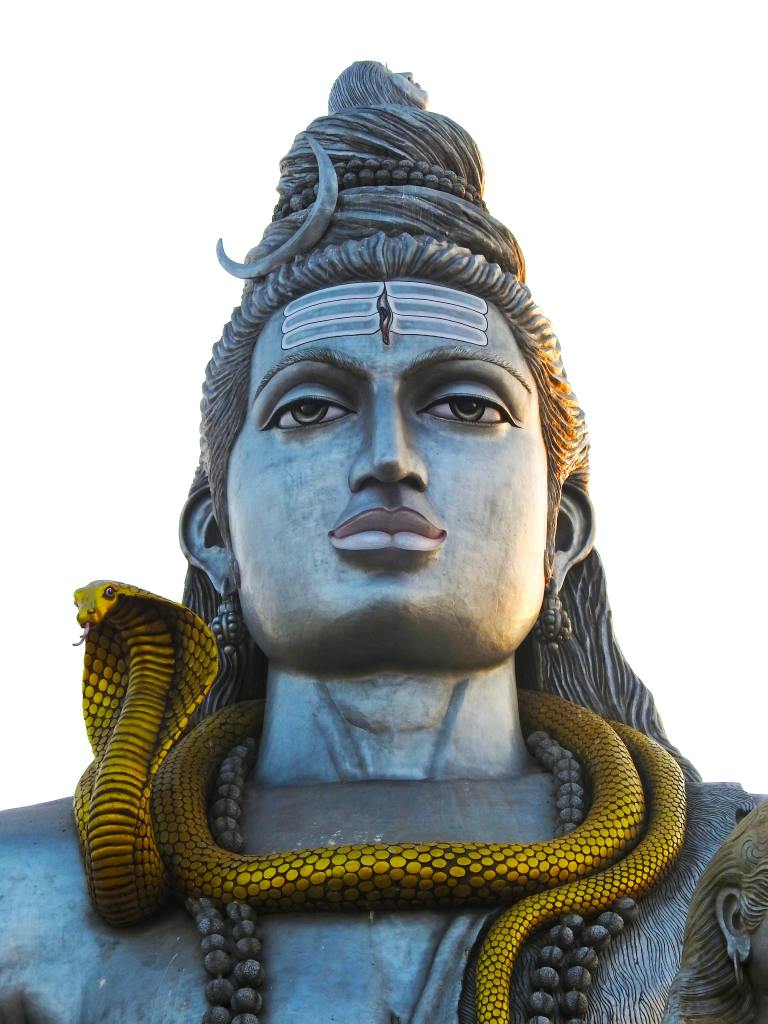
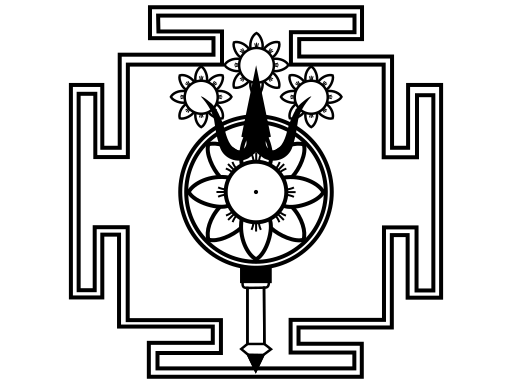
Kashmir Shaivism, also known as Trika Shaivism or Pratyabhijna, is a philosophical and tantric tradition that emerged in the region of Kashmir, in present-day India, around the 8th century CE. It is a school of Shaivism, which is a major branch of Hinduism that venerates Lord Shiva as the supreme deity.
Kashmir Shaivism is known for its non-dualistic philosophy, which emphasizes the oneness of the individual soul (jiva) with the ultimate reality, known as Shiva or Universal Consciousness. It teaches that everything in the universe is an expression of this divine consciousness.
The central text of Kashmir Shaivism is the Shiva Sutras, composed by the sage Vasugupta. The Shiva Sutras outline the principles and practices of this tradition. Kashmir Shaivism also draws from other important texts, such as the Spanda Karikas and the Pratyabhijna Hridaya.
The philosophy of Kashmir Shaivism revolves around the concept of spanda, which means “vibration” or “pulsation.” It teaches that the entire universe is an ever-changing manifestation of the divine spanda. This dynamic view of reality emphasizes the inherent freedom and creativity of the individual soul.
Kashmir Shaivism incorporates various practices to attain spiritual realization, including meditation, mantra recitation, ritual worship, and the awakening of the dormant spiritual energy known as Kundalini. The tradition also recognizes the importance of a qualified spiritual teacher (guru) in guiding disciples on the path to self-realization.
Kashmir Shaivism has had a significant influence on Indian philosophy, spirituality, and art. Its teachings have inspired numerous poets, philosophers, and practitioners throughout history. While it is primarily associated with the region of Kashmir, the teachings of Kashmir Shaivism have spread beyond its original geographical boundaries and continues to be studied and practiced to the present day.
 Tantric Deception