The Hidden Dangers of Samaya in Tibetan Buddhism: What Western Practitioners Need to Know

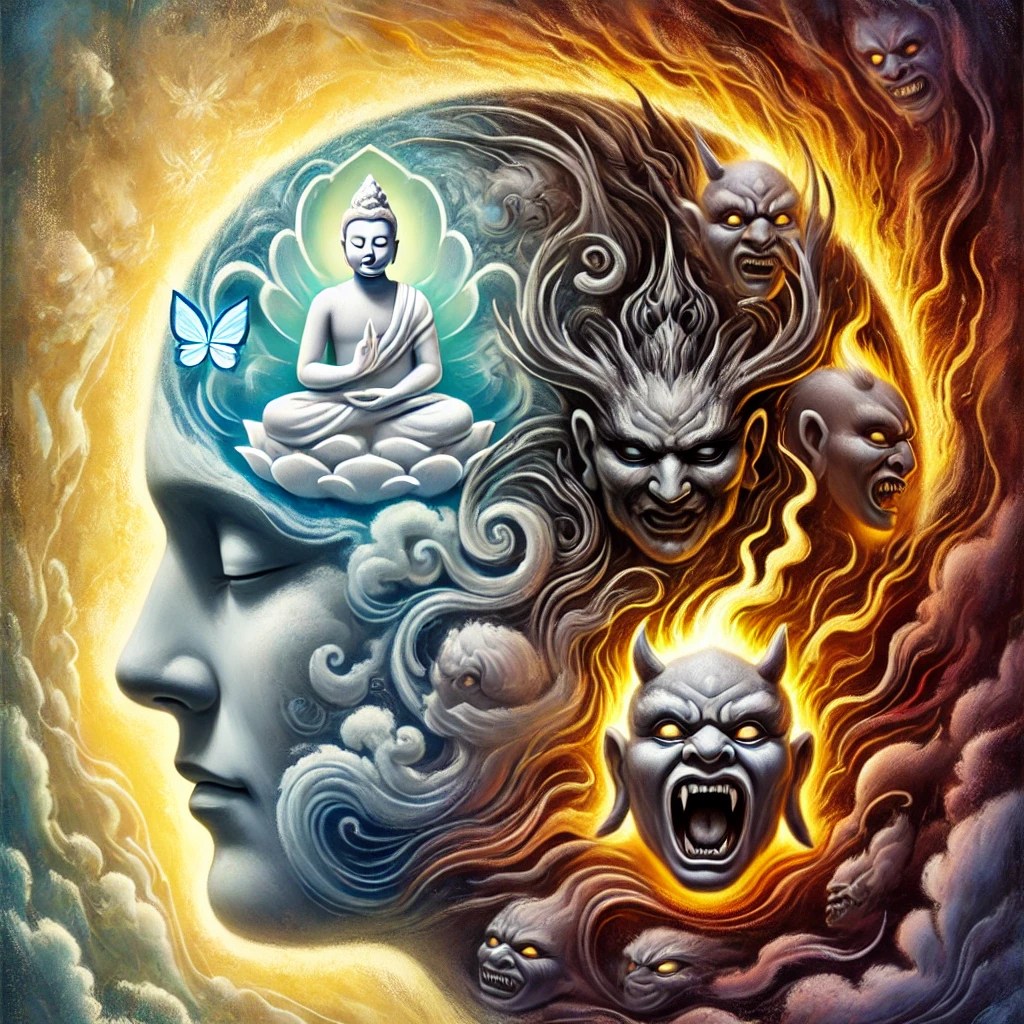
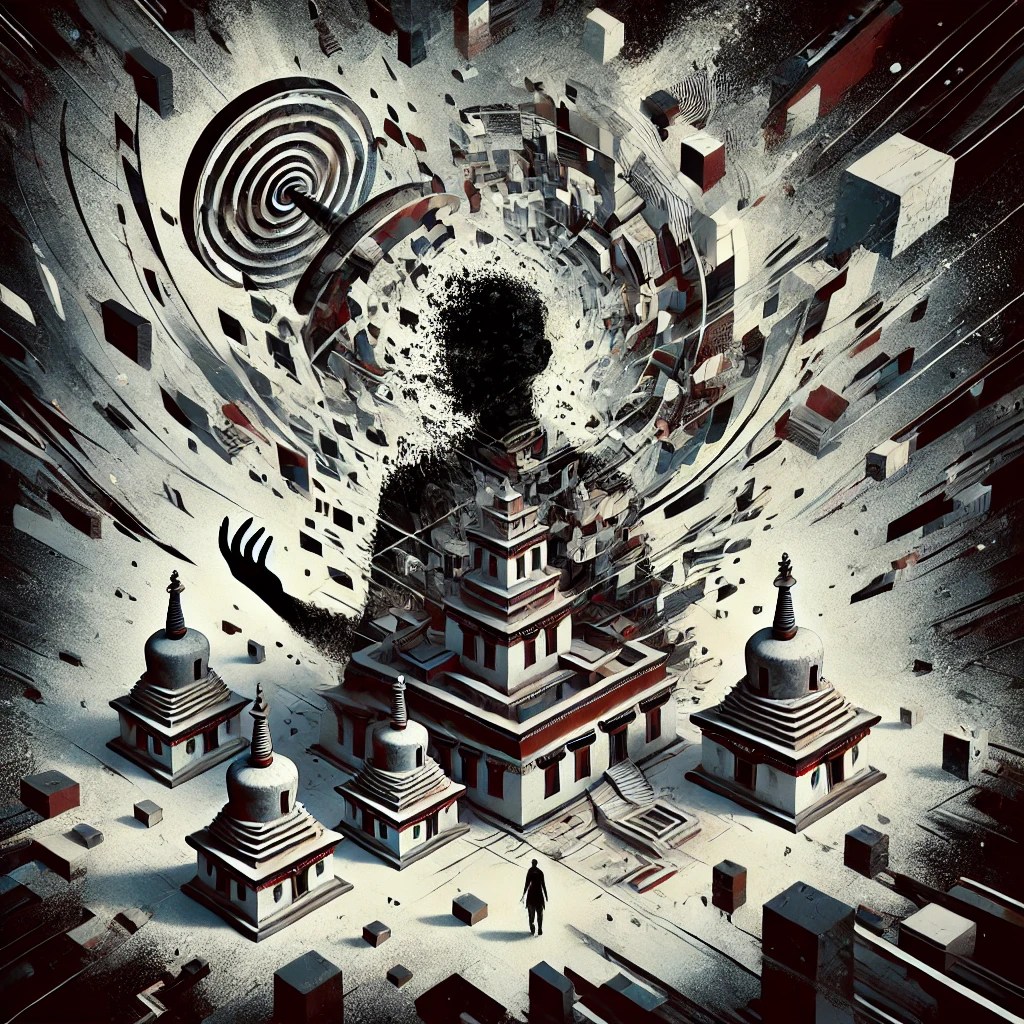
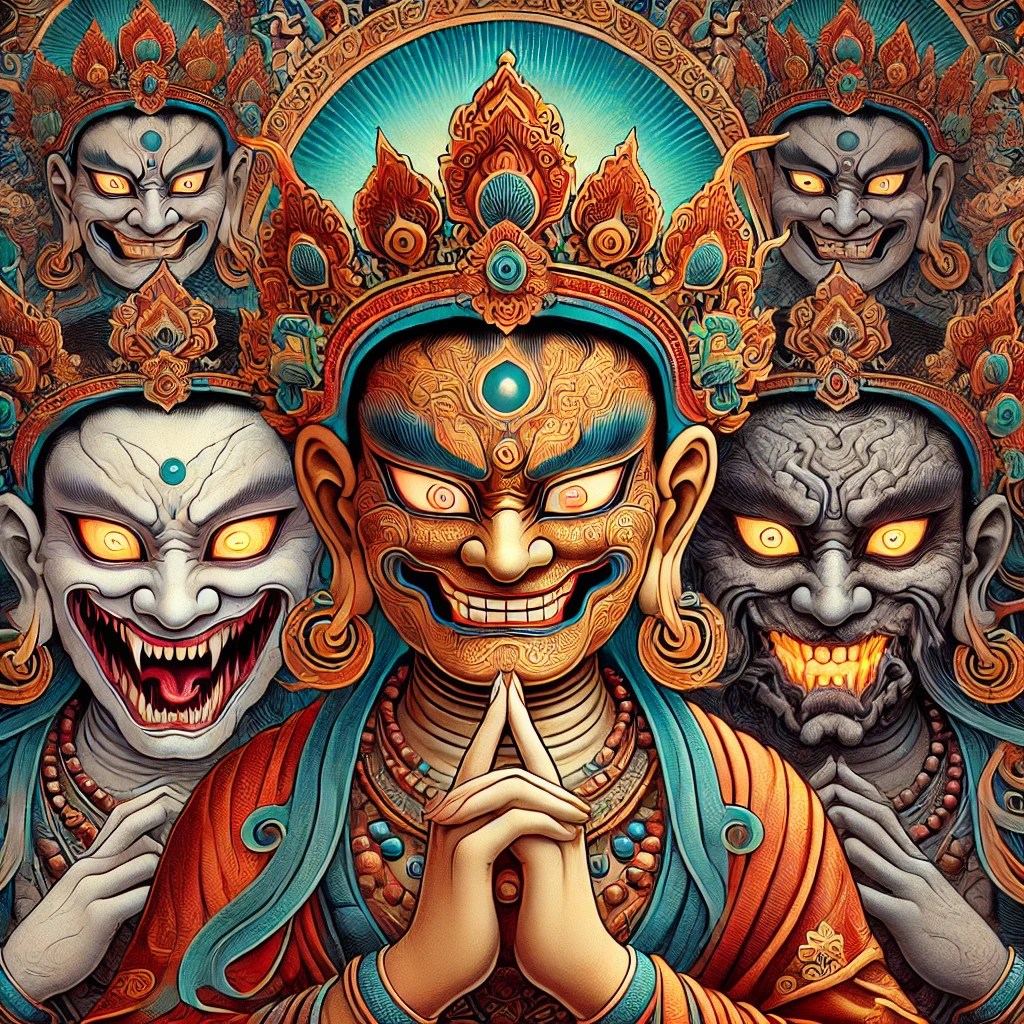
This illustration depicts the state of “vajra hell,” the total dissolution of the mind.


When many Westerners approach Tibetan Buddhism, they do so with an open heart and a desire to deepen their spiritual practice. The exotic rituals, profound teachings, and seemingly compassionate community can be deeply appealing. However, beneath this shiny surface lies a complex web of commitments and consequences that few are prepared for, most notably, the concept of samaya (sacred bond) and its implications.

What is Samaya?

Samaya refers to the vows and commitments a student makes to their tantric guru and yidam deities. These vows are considered sacred, and maintaining them is central to the practitioner’s spiritual progress. However, the specifics of these vows and the consequences of breaking them are often vaguely communicated, especially to Western practitioners who may not be familiar with the cultural and historical contexts in which these practices developed.

The Culture of Silence and Fear

One of the most concerning aspects of samaya is the culture of silence it fosters. Criticizing or even feeling anger towards one’s guru, regardless of whether that anger is justified, is seen as a severe violation. In some teachings, it’s said that such emotions can lead to dire spiritual consequences, including rebirth in vajra hell, a particularly terrifying concept designed to enforce obedience and submission.

This culture makes it exceedingly difficult for practitioners to voice concerns or challenge questionable behavior. The fear of spiritual retribution can be paralyzing, leaving individuals trapped in harmful situations without support.

The Danger of Vague Punishments

In many Tibetan Buddhist communities, the specific repercussions for breaking samaya are deliberately left vague. This ambiguity serves to keep practitioners in a state of uncertainty and fear, unsure of what might trigger severe consequences. For those involved in intensive practices like three-year retreats, this can create an environment ripe for manipulation and abuse.

A Warning to Western Practitioners

If you’re considering entering into a tantric relationship with a Tibetan Buddhist guru, it’s crucial to fully understand the commitments you’re making. Ask questions, seek out diverse perspectives, and be wary of any teacher who discourages inquiry or transparency.

Remember, spiritual growth should not come at the cost of your autonomy, well-being, or mental health. Trust your instincts, and don’t hesitate to step away from harmful situations.

Final Thoughts

Tibetan Buddhism offers many seemingly profound teachings, but it’s essential to approach these practices with both a very discerning mind, especially if you come from a Judeo-Christian background. Understanding the hidden dangers of Tibetan Buddhism can help protect you from falling into harmful dynamics that have ensnared many unsuspecting practitioners before you.

The History of Tantra


The word “Tantra” evokes sex and mysticism in the modern world. However, it is a spiritual practice fraught with controversy and potential harm. Though its origins are deeply embedded in South Asian spiritual traditions, Tantra has long been a subject of debate for its questionable methods and the risks it poses to practitioners.

Questioning Tantra’s Validity in Indian Buddhism

One of the most contentious aspects of Tantra in Indian Buddhism is its origins. Did these esoteric practices truly originate with the Buddha, or do they stem from darker, occult sources? Many argue that Tantra’s reliance on rituals, mantras, and deity possession deviates sharply from the Buddha’s original teachings. Instead, Tantra seems to delve into a realm of magic, where practitioners invoke powerful spirits or deities that are difficult to control. The secretive and arcane nature of Tantra has even drawn comparisons to Western Satanism, with parallels in symbolic inversion, forbidden knowledge, and the harnessing of dark energies. These troubling similarities raise serious questions about the true intent and origins of Tantra.

Tantra is believed to have emerged in India around the 5th to 7th centuries CE as a response to the rigid practices of Vedic Hinduism and early Buddhism. Its origins are steeped in secrecy and myth. The term “Tantra,” means “to weave” or “to expand,” and hints at its darker origins: the weaving of esoteric forces into the human psyche.

The Core Principles of Tantra: A Double-Edged Sword

Tantra appears to challenge dualistic thinking, presenting the material and spiritual worlds as interconnected:

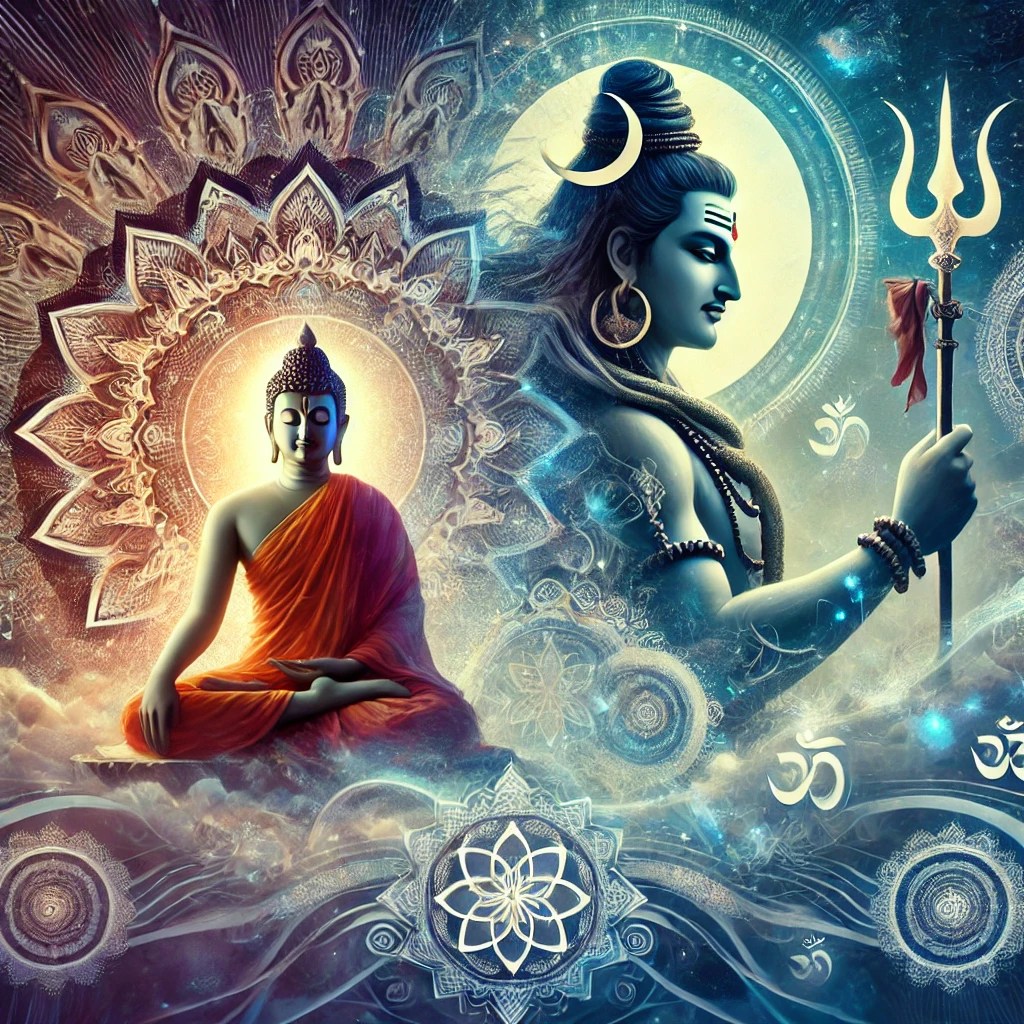
Shakti and Shiva: While the union of Shakti (divine feminine) and Shiva (divine masculine) is portrayed as a balance, the rituals associated with this concept often involve the invocation of chaotic energies that can destabilize practitioners.

Sacredness of the Body: Tantra’s reverence for the body as a vehicle for enlightenment can lead to practices that blur ethical boundaries, and expose aspirants to physical and psychological risks. These practices often involve an extreme form of yoga that includes breath manipulation and physical postures designed to awaken kundalini energy. This wild and often uncontrollable force is said to be a dormant energy that resides at the base of the spine, but in reality, it involves possession by a spirit.

Ritual and Symbolism: The intricate rituals, mandalas (geometric designs), and mantras (sacred sounds) used in Tantra can act as portals and invocations to preternatural forces.

Tantra in Hinduism and Buddhism

While Tantra is often associated with Hinduism and Buddhism, its practices diverge significantly from the ethical foundations of these traditions. In Hinduism, Tantra became linked with Shaivism and Shaktism, incorporating rituals that many consider to be unorthodox and even dangerous. For instance, human sacrifice, though outlawed, is still secretly practiced in India. In Buddhism, Tantra’s form, Vajrayana, emerged as an esoteric path that relies heavily on guru worship, deity yoga, and visualization. These methods often blur the line between spiritual growth and occult manipulation. Critics argue that such practices betray the Buddha’s emphasis on ethical conduct and mindfulness.

The Spread and Evolution of Tantra: A Troubling Legacy

As Tantra spread beyond India, it adapted to local cultures but retained its core. In Tibet, for instance, Tantric rituals merged with indigenous Bon practices, creating a potent fusion. During the colonial era, Western scholars sensationalized Tantra, focusing on its sexual practices and scary looking deities while ignoring its broader implications. This misrepresentation led to a rehabilitation of Tantra in the West in the second half of the 20th century that idealized Tibetan Buddhist Tantra as purely benevolent, reframing and obscuring its darker aspects.

In the modern world, Tantra has been rebranded as a tool for personal empowerment, often stripped of its spiritual and cultural context. However, this simplification overlooks the risks associated with its practices. Authentic Tantra, with its emphasis on invoking and channeling preternatural energies, is a perilous path that can lead to psychological torment and spiritual dissolution. The allure of Tantra’s supposed transformative power can blind practitioners to its potential for harm.

A Warning

The history of Tantra is not merely a tale of spiritual innovation but also a cautionary story of occult manipulation and risk. Its practices, which often involve possession by spirits or deities, can have dire consequences even if approached with extreme caution. These entities, if angered or improperly controlled, can turn on the practitioner, leading to profound suffering. While Tantra may promise enlightenment, its methods carry a heavy price. Those who seek spiritual growth would do well to heed these warnings and consider safer, more ethical paths.

Examining the Darker Facets of the Cakrasamvara Tantra: Rituals for Subjugating Adversaries

The Ruins of Nalanda, Bihar


The Cakrasamvara Tantra, a seminal text within the Vajrayana Buddhist tradition, is renowned for its intricate rituals and esoteric practices. While it primarily aims to guide practitioners toward enlightenment, the tantra also encompasses a spectrum of rituals designed to achieve various mundane siddhis (accomplishments), including those intended for the subjugation or destruction of adversaries. These harmful practices, often framed as protecting the Dharma or addressing perceived threats, reveal a complex interplay between spiritual wisdom and pragmatic, sometimes violent, methods.

 Ritual Applications and Mantras

A significant portion of the Cakrasamvara Tantra is devoted to the ritual application of mantras. These mantras are employed to enchant objects or individuals, facilitating various magical operations. They are not limited to spiritual enlightenment; many are explicitly intended for worldly outcomes, including cursing enemies, gaining power, or achieving invisibility. This dual purpose underscores the ethical ambiguities inherent in the text.

Procedures for Invisibility and Harm

Among the rituals detailed in the tantra is a procedure for becoming invisible, which involves the use of Heruka’s quintessence mantra. This ritual requires obtaining specific human remains and combining them with other substances to create a magical implement. 

Another prominent set of rituals is explicitly designed to harm adversaries, including curses and destructive spells. Practitioners might create effigies of their enemies to channel negative energy or invoke wrathful deities to unleash harm. Such practices align closely with what might be considered black magic in other traditions. These destructive rituals are not merely symbolic; historical accounts suggest they were carried out with real-world intent, especially during periods of political or religious conflict.

Ethical Considerations

The inclusion of these harmful practices raises profound ethical dilemmas. Buddhism, as taught by the historical Buddha, emphasizes nonviolence, compassion, and the cessation of suffering. However, the Cakrasamvara Tantra incorporates rituals that seem to contradict these principles, reflecting the tension between upholding spiritual ideals and addressing worldly challenges.

Why does a tradition that values compassion and liberation include practices for harming others? What cultural, historical, and philosophical factors justified these actions? Exploring these questions reveals the complexities of tantric Buddhism and its adaptation to diverse social and political contexts.

How Were These Practices Justified Within Their Historical Context?

The Cakrasamvara Tantra emerged during the Indian tantric movement, roughly between the 8th and 12th centuries CE, a time of religious competition and societal instability. The harmful practices within the tantra can be understood as responses to these challenges:

1. Protection of the Dharma: Rituals for subjugation or harm were often framed as necessary to protect Buddhist teachings and institutions from external threats, whether literal (invading forces or rival religious groups) or symbolic (negative spiritual influences).

2. Syncretism with Local Traditions: The tantra absorbed and reinterpreted indigenous Indian magical and ritualistic practices, incorporating them into a Buddhist framework. This integration allowed tantric Buddhism to appeal to a wider audience while maintaining its esoteric goals.

3. Esoteric Intentions: These rituals were often reserved for advanced practitioners who were believed to have transcended ordinary ethical boundaries. Harmful practices were justified as skillful means (upaya) to aid others or eliminate obstacles to enlightenment.

Were These Practices Metaphorical or Literal?

The ambiguity between metaphorical and literal interpretations of tantric practices adds another layer of complexity:

1. Symbolic Interpretations: Some scholars argue that destructive rituals represent inner struggles, such as overcoming ignorance or ego. Invoking wrathful deities might symbolize transforming negative emotions into wisdom.

2. Literal Applications: Historical records indicate that practitioners did perform these rituals literally. Curses, effigies, and destructive spells were used at various times, targeting political or spiritual adversaries.

3. Layered Meaning: Tantric texts often operate on multiple levels. Rituals can simultaneously serve symbolic, practical, and transcendental purposes. This layered meaning complicates simplistic interpretations of these practices.

Who Were the Intended Practitioners, and What Ethical Framework Guided Their Use of These Rituals?

The Cakrasamvara Tantra was reserved for siddhas or mahasiddhas, highly trained tantric adepts who had undergone rigorous preparation and initiation under a qualified guru. These practitioners wielded immense spiritual power and were entrusted with esoteric knowledge, including rituals for harming enemies.

While tantric teachings often emphasized the metaphorical nature of rituals, historical evidence shows that harmful practices were sometimes used literally to achieve specific objectives. 

  • Destroying Political Rivals: Tantric practitioners invoked wrathful deities like Heruka to curse or eliminate rulers and invaders perceived as threats to Buddhist institutions.
  • Exorcisms of Adversaries: Rituals targeted not only metaphysical entities, but also human opponents perceived as threats.
  • Utilizing Ritual Implements: Tools like skull cups and effigies were employed to channel destructive energy toward specific adversaries.
  • These actions were often justified as necessary for maintaining spiritual or societal harmony, but they also reveal the grey ethical areas within tantric practices.

Accountability and Ethical Ambiguities

Despite their destructive nature, these rituals were expected to align with the ethical framework of tantric Buddhism. Practitioners were taught to act from compassion, but this ideal was not always upheld:

  • Compassion as the Motive: Practitioners were instructed to act selflessly, using harmful rituals only to protect the Dharma or remove obstacles to enlightenment. However, some operated in ethically ambiguous territory, justifying personal motives as Dharma-protecting actions.
  • Karmic Awareness: Misuse of these rituals was believed to carry severe karmic consequences. Nevertheless, even so-called enlightened masters occasionally blurred the lines between protecting the Dharma and pursuing personal interests.

Contextual Understanding

The inclusion of harmful rituals in the Cakrasamvara Tantra reflects the paradoxical nature of tantric traditions, where compassion and wrathful methods coexist. These tantras include practices of subjugation that can destroy not only negative conditions but also be aimed at humans, acts that are not metaphorical but ritually enacted. It is crucial not to approach such practices blindly, but with full awareness of their potential implications and historical context. By examining these nuances, modern readers can better understand the ethical complexities and historical adaptations that shaped tantric Buddhism, and protect themselves from harm by refraining from engaging with these tantras.

The Syncretic Nature of Tibetan Buddhism: Black/White Magic, Tantra, and the Buddha’s Teachings–Do they Mix?


Tibetan Buddhism is widely admired in the West for its profound philosophical teachings, its meditative depth, and its association with peace and compassion as exemplified by figures like the Dalai Lama. However, there is a lesser known and far more complex aspect of Tibetan Buddhism that intertwines its spiritual practices with white and black magic, divination, and tantra. Sam van Schaik’s Buddhist Magic: Divination, Healing, and Enchantment through the Ages provides a fascinating lens into these practices, showing how Tibetan Buddhism is not a monolithic tradition but a syncretic amalgam of divergent systems.

This blog post aims to shed light on the magical underpinnings of Tibetan Buddhism, comparing them to Western grimoires, and questioning their alignment with the teachings of the historical Buddha. It also highlights the often overlooked fact that Tibetan Buddhism is not one system, but a hybrid of at least three distinct traditions: early Buddhist teachings, Hindu tantra (including influences from Kashmir Shaivism), and indigenous Tibetan shamanistic practices.

The Magical Practices of Tibetan Buddhism

Van Schaik’s book reveals the prevalence of magical practices in Tibetan Buddhism, ranging from divination to enchantment and healing. These practices are codified in texts that resemble Western grimoires, (manuals that prescribe rituals, mantras, and symbols to achieve specific outcomes such as protection, wealth, healing, or destruction). In Tibetan Buddhism, these texts often attribute their power to the blessings of deities or enlightened beings, yet their focus on manipulating outcomes through ritual actions aligns them with the magical traditions of the West.

Such practices include:

1. Divination: Techniques for predicting the future using symbolic tools such as dice, mirrors, or astrological charts.

2. Healing Rituals: Invocations of deities and spirits to cure illnesses, often involving complex rituals that parallel Western ceremonial magic.

3. Protective Charms: Talismans and mantras designed to ward off negative influences, akin to the sigils and spells of Western occultism.

4. Black Magic for the Destruction of Enemies: Rituals and spells aimed at causing harm or misfortune to perceived adversaries. These practices often involve invoking wrathful deities or spirits to unleash destructive energies, creating symbolic effigies or representations of enemies to channel harm, and performing rites designed to summon curses or disrupt the lives of opponents. These practices, though justified in some texts as a form of “compassionate wrath” to subdue harmful beings, bear a stark resemblance to the malevolent workings of Western grimoires and are a significant departure from the Buddha’s teachings of nonviolence and compassion.

While the first three categories are often framed as compassionate and benevolent, they reveal a focus on material and worldly outcomes that stands in contrast to the Buddha’s original teachings on renunciation and liberation from samsara. The fourth category is clearly destructive.

The Historical Buddha vs. Tibetan Magic

The teachings of Siddhartha Gautama, the historical Buddha, emphasize the Four Noble Truths and the Eightfold Path as a means of transcending suffering and achieving enlightenment. These teachings encourage ethical conduct, mindfulness, and wisdom, rejecting reliance on supernatural interventions or rituals. In the early Buddhist texts, the Buddha explicitly warns against using his teachings for worldly gain, emphasizing liberation over manipulation of the material world.

In contrast, the magical practices detailed in Tibetan Buddhist texts often prioritize worldly benefits, from health and wealth to protection and influence. While these practices may offer immediate relief or benefits, they risk diverting practitioners from the Buddha’s core message of liberation through self-discipline and insight.

The Influence of Tantra and Shamanism

Tibetan Buddhism’s integration of magic is largely due to its synthesis with other traditions, including:

1. Kashmir Shaivism and Hindu Tantra: Many tantric elements in Tibetan Buddhism, including the use of mandalas, mantras, and deity yoga, can be traced directly to Hindu traditions. These practices focus on harnessing esoteric energies and often include rituals that bear striking similarities to magical ceremonies.

2. Indigenous Tibetan Shamanism: Before Buddhism arrived in Tibet, the indigenous traditions were steeped in shamanistic practices involving spirit invocations, exorcisms, and divination. As Buddhism merged with these local traditions, it absorbed many of their magical elements.

3. Early Buddhist Teachings: The foundational teachings of the Buddha provide a third, distinct layer. While these teachings aim for transcendence and ultimate freedom from suffering, their integration with tantric and shamanistic practices in Tibet has created a system with seemingly contradictory goals.

Two (or Three) Systems at Work

In Tibetan Buddhism, these diverse influences coexist uneasily under the same umbrella. On one hand, we have the Buddha’s path of ethical discipline, meditation, and wisdom. On the other hand, we have the tantric and magical systems, which often emphasize power, ritual mastery, and worldly results. The attempt to merge these systems has resulted in a unique yet conflicting spiritual tradition.

For Western audiences, the peaceful and compassionate image of Tibetan Buddhism often obscures these darker, magical elements. It is crucial to recognize that beneath the veneer of benevolence lies a tradition that includes practices reminiscent of Western occultism. This highlights the importance of discernment and understanding the true nature of this tradition.

A Warning for Seekers

In conclusion, Buddhist Magic: Divination, Healing, and Enchantment through the Ages, serves as an essential resource for those seeking to understand the complex and multifaceted nature of Tibetan Buddhism.

Western practitioners and admirers of Tibetan Buddhism should approach the tradition with open eyes. While the philosophical and meditative teachings of Tibetan Buddhism offer profound insights, the magical practices described in van Schaik’s book represent a different domain, one that often contradicts the Buddha’s core message. Understanding the historical and cultural layers that make up Tibetan Buddhism can help people avoid a potential minefield of dangerous spiritual practices.

Revealing the Overlooked Connection Between Kashmir Shaivism and Tibetan Buddhist Tantra


The rich interplay between Hindu and Buddhist Tantric traditions has been a subject of rigorous scholarly inquiry, yet much of this relationship has remained obscured in popular understandings of Tibetan Buddhism. Three seminal works, Francesco Sfewa’s “Some Considerations on the Relationship Between Hindu and Buddhist Tantras”, Alexis Sanderson’s “Vajrayāna: Origin and Function in Buddhism”, and Robert Mayer’s “The Figure of Maheśvara/Rudra in the rÑiṁ-ma-pa Tantric Tradition,” shed light on the foundational role of Kashmir Shaivism in shaping the Yoginītantras of Tibetan Buddhism. These articles offer compelling evidence that Tibetan Buddhist Tantras, particularly the Yoginītantras, were heavily influenced by Saiva texts and practices, directly linking Tibetan Buddhism to the figure of Śiva himself.

In the transmission of Tibetan Buddhism to the West, Tibetan masters often downplayed or ignored this profound connection. Instead, they ascribed the Tantras to the Buddha himself, claiming that he taught these esoteric teachings in a transcendent form after his parinirvāṇa (passing away). According to traditional accounts, these teachings were revealed at specific sacred locations, such as Mount Malaya, situated in present day Sri Lanka. These teachings, it is said, were preserved in the realms of gods and nāgas (serpentine spirits) before being transmitted to humanity through visionary masters. By presenting the Tantras as originating from the Buddha rather than acknowledging their Saivite roots, Tibetan masters aimed to establish their authority and distinguish their tradition from external influences.

However, as Sanderson, Sfewa, and Mayer document, the Yoginītantras in Tibetan Buddhism were not created in isolation. They borrowed extensively from Saivite texts like the Brahmayāmala, Siddhayogeśvarīmata, and Picumata, incorporating not only ritual frameworks but also mythological narratives. This borrowing represents what scholars call “pious plagiarism,” where Saivite materials were recontextualized to align with Buddhist soteriological goals. The myths, rituals, and iconography of the Yoginītantras, which are central to Tibetan Buddhist Tantra, thus owe their origins to Śiva and his Tantras.

Recognizing this connection does not diminish the uniqueness of Tibetan Buddhism but rather situates it within a broader, interconnected spiritual landscape. It underscores how traditions evolve through dynamic cultural exchanges, offering a deeper understanding of Tantra’s history.

Shared Foundations and “Pious Plagiarism”

Francesco Sfewa’s analysis highlights the undeniable overlap between Hindu and Buddhist Tantra. He suggests that this commonality arises not from coincidental similarities but from deliberate borrowings. Sfewa notes the phenomenon of “pious plagiarism,” where texts from the Hindu Saivite tradition were adapted into Buddhist contexts, particularly the Yoginītantras. He emphasizes the need to move beyond vague notions of a “shared religious substratum” and instead examine direct textual dependencies.

Alexis Sanderson: Tracing Scriptural Borrowings

Sanderson’s meticulous philological work underscores this dependency. He demonstrates how Buddhist Vajrayāna texts, especially the Yoginītantras, borrowed heavily from Saiva sources such as the Brahmayāmala and the Siddhayogeśvarīmata. For example, he shows that ritual frameworks and mythic narratives in Buddhist texts like the Hevajra Tantra align closely with Saiva models. Sanderson argues that these borrowings are not isolated but reflect a systematic incorporation of Saivite elements into Buddhist Tantra.

Mythology as a Lens: Robert Mayer’s Insights

Robert Mayer takes a mythological approach, examining the narrative of the “Taming of Maheśvara/Rudra.” This myth, central to many Buddhist Tantras, portrays the subjugation of Saiva deities by Buddhist figures, symbolizing the assimilation of Saivite practices into Buddhist frameworks. Mayer sees this narrative as a “charter myth” that legitimizes Buddhist Vajrayāna’s adoption of Saiva elements. He also highlights how Tibetan Buddhist traditions reinterpreted these myths, assigning Buddhist meanings to Saivite symbols while acknowledging their origins.

Reconciling Differences: A Shared Soteriology?

Despite their doctrinal differences, Sfewa, Sanderson, and Mayer point to a shared soteriological framework underpinning both traditions. Both Hindu and Buddhist Tantras emphasize liberation through a union with the divine, facilitated by initiations, meditative practices, and ritual. This common ground enabled a seamless exchange of ideas, even as each tradition reinterpreted borrowed elements to align with its goals.

Implications for Modern Scholarship

The work of these scholars challenges us to rethink the boundaries between Hindu and Buddhist Tantric traditions. Rather than viewing them as isolated systems, we see them as part of a dynamic cultural and religious interplay. This perspective not only clarifies our understanding of Tantra but also offers broader insights into how religious traditions evolve through interaction. This, in turn, calls into question the myth that tantric Buddhism came directly from the Buddha himself.

Recognizing the historical and cultural debts of Tibetan Buddhism to Kashmir Shaivism, particularly in the Yoginītantras, does not detract from its significance. Instead, it situates Tibetan Buddhist Tantra within a tapestry of spiritual exchange, affirming the adaptability of religious traditions across time and space.

The Authority of Scripture in Spiritual Warfare: Fighting Demons with God’s Word


Throughout the Bible, God’s Word is described as a powerful and transformative force capable of addressing the deepest struggles of humanity, including the battle against evil. For Christians who are engaging in spiritual warfare and fighting against demonic forces, using the Bible is not only permissible but deeply rooted in scriptural authority. Here, we explore how the Bible provides this foundation and clarify why this practice is far removed from the realm of magic.

The Sword of the Spirit: The Word as a Weapon

Ephesians 6:17 declares, “Take the helmet of salvation, and the sword of the Spirit, which is the word of God.” Paul describes the Word of God as a vital piece of the “armor of God,” emphasizing its role as an offensive weapon against spiritual challenges. This imagery highlights the Bible’s unique power to confront and dismantle evil. Hebrews 4:12 echoes this sentiment, calling the Word “living and active, sharper than any two-edged sword” that can discern and pierce the heart’s deepest intentions.

Unlike physical combat, spiritual warfare relies on divine power, as Paul reminds us in 2 Corinthians 10:4-5: “For the weapons of our warfare are not of the flesh but have divine power to destroy strongholds.” Here, Scripture becomes a tool to demolish false arguments and thoughts that stand against the knowledge of God.

 The Tongue’s Role in Warfare

Proverbs 18:21 asserts that “Death and life are in the power of the tongue.” Words hold immense spiritual weight, capable of uplifting or destroying. When believers declare God’s promises and truths against demonic attacks, they engage in a profound act of spiritual resistance. This isn’t incantation; it is aligning one’s voice with God’s truth, as demonstrated in Jesus’ own confrontations with Satan (Matthew 4:1-11).

David’s Example: Seeking Divine Intervention

Many Psalms, including Psalm 35 and Psalm 18, depict David calling upon God to intervene against his enemies. Psalm 35:3 implores, “Draw the spear and javelin against my pursuers! Say to my soul, ‘I am your salvation!’” These passages illustrate that God is actively involved in protecting His people. The believer’s reliance on Scripture as a form of prayer and declaration invokes God’s power rather than personal ability.

Spiritual Warfare Is Not Magic

It is essential to distinguish between the use of Scripture in spiritual warfare and the practice of magic. Magic seeks to manipulate spiritual forces through rituals or incantations. Spiritual warfare, by contrast, is rooted in submission to God’s authority and reliance on His power. Jeremiah 23:29 underscores the potency of God’s Word, describing it as a “fire” and a “hammer” that breaks rock into pieces. This power is not harnessed through human will but through divine will, activated by faith.

Cosmic and Divine Intervention

Judges 5:20 provides an intriguing insight: “From the heavens the stars fought, from their courses they fought against Sisera.” This poetic account reveals that God’s creation itself aligns with His purposes to combat evil. Believers today can trust that when they rely on God’s Word, they are not fighting alone but are part of a divine strategy against darkness.

Faithfulness and Authority

Revelation 2:26-27 promises authority to those who remain faithful: “To the one who is victorious and does my will to the end, I will give authority over the nations…” This passage reassures Christians that their victory in spiritual warfare is part of their inheritance in Christ. They wield God’s Word not as a mystical tool but as an authoritative proclamation of His truth.

 A Call to Action

In engaging in spiritual warfare, Christians are called to:

1. Equip Themselves with Scripture: Memorize and meditate on verses like Ephesians 6:17 and Hebrews 4:12 to understand the authority of God’s Word.
2. Speak with Faith: Use the tongue to declare God’s promises, as Proverbs 18:21 encourages.
3. Submit to God: Recognize that victory comes from His power, not human strength, as emphasized in 2 Corinthians 10:4-5.
4. Rely on God’s Intervention: Trust in His active involvement, as depicted in the Psalms and throughout the Bible.

Spiritual warfare using God’s Word is not an act of mysticism but a profound alignment with His divine authority. As believers stand firm in Scripture, they demonstrate faith in the living and active power of God, wielding the “sword of the Spirit” with confidence and trust. By doing so, they participate in a battle already won by Christ, assured of ultimate victory.

From Exorcist Diary #322: Occult Third Eye or Divine Charism?

From Msgr. Rossetti’s blog at Catholicexorcism.org:

I recently received this query (used with permission): Many years ago when I was doing massage therapy, I used to touch peoples’ feet and I could see demons leaving their body. I was working in the New Age world and even worked as a psychic back then. I closed everything down a couple years ago and returned to the Catholic faith.  I know I still have these abilities and I’m feeling called to return to healing work with people. I want to do this work now with Jesus, Mary, St. Joseph & the Holy Spirit guiding me. 

This woman believes she has a healing charism with special “abilities” from God and feels called to use them to help people. She said she would now do it with “Jesus, Mary, St. Joseph and the Holy Spirit” guiding her. Good idea? Certainly her intentions are good, which one should applaud. However, many an evil has been perpetrated in this world with people intending to do good, such as so-called “good witches.” Regardless of one’s intentions, there is no good witchcraft.

(continue reading here:)

A Warning to all Sorcerers & Witches

A Divine Warning Against Deception

Ezekiel 13:17–23

The Bible is filled with moments where God addresses His people with powerful words of correction and truth. One such passage is Ezekiel 13:17–23, a striking call to accountability for those who misuse spiritual practices to ensnare people into the occult for their own gain. Though spoken thousands of years ago, this scripture resonates today, challenging us to examine our own hearts and the influences we allow into our lives.


The Context: False Prophets Among the People

Ezekiel was a prophet sent by God to the people of Israel during their exile in Babylon. His mission was to deliver messages of both warning and hope. In this passage, God speaks against the women of Israel who were engaging in deceitful practices such as using magical charms and veils of obscuration to manipulate and ensnare others. These women falsely claimed divine authority, profiting from their lies while leading people away from God.


Scripture Text

“Now, son of man, set your face against the daughters of your people who play the prophet from their own imagination. Prophesy against them. You shall say: Thus says the Lord God: Woe to those who sew bands for everyone’s wrists and make veils for every size of head to snare lives! You ensnare the lives of my people, even as you preserve your own lives.” (Ezekiel 13:17–18)

This passage illustrates the gravity of misleading others in the name of spirituality. These individuals exploited their influence, creating spiritual traps for the vulnerable while securing their own comfort and safety.


A Deeper Look at the Message

1. The Deception of False Practices

The women condemned here were not simply offering false prophecies, they were actively leading people astray. They used symbolic objects like bands and veils to create an illusion of spiritual power. They traded lies for material gain, profaning God’s name in the process.

This serves as a timeless warning about the dangers of spiritual manipulation. In today’s world, we see similar patterns: leaders or influencers using false religions or occult spirituality to exploit others for power, money, or prestige.


2. God’s Judgment

“Therefore thus says the Lord God: See! I am coming against your bands in which you snare lives like birds; I will tear them from your arms and set free the lives that you have snared like birds.” (Ezekiel 13:20)

God’s response is clear and decisive. He vows to tear down the instruments of deception and free those who have been ensnared. This imagery reminds us of God’s justice and His mandate for liberation. He is not indifferent to the plight of those oppressed by falsehood. He acts to bring freedom.


3. The Importance of Truth

You have discouraged the righteous with your lies, when I had done them no harm, and you have encouraged the wicked, so that they do not turn from their evil ways and save their lives.” (Ezekiel 13:22)

This verse shows how destructive falsehood can be. Lies weigh down those who are trying to live faithfully, making them feel condemned when God has not condemned them. At the same time, lies give false comfort to the wicked, letting them continue on in sin without repentance, even though their lives are at stake.

God’s will is the opposite: He desires the righteous to be strengthened by truth and the wicked to be confronted by it, so they might turn back and live. Truth restores, encourages, and saves, deception only tears down.


Lessons to Take Away

Ezekiel 13:17–23 is not just a historical account but a wake-up call for all generations. Here are key takeaways for modern believers:

  1. Test the Spirits
    Not all who claim to speak for God are truly guided by Him. 1 John 4:1 reminds us to “test the spirits” to discern whether they are from God. We must remain vigilant against teachings or practices that contradict the Word of God.
  2. Avoid Spiritual Exploitation
    God condemns using spirituality as a means of manipulation or personal gain. As followers of Christ, we are called to live with integrity and humility, pointing others to God, not using Him as a tool for our own benefit.
  3. Trust in God’s Deliverance
    For those who feel trapped or misled, this passage is a reminder that God is a deliverer. He sees your struggles and is committed to setting you free from any form of spiritual bondage.

The Closing Promise

“I will deliver my people from your hand. Thus you shall know that I am the Lord.”
(Ezekiel 13:23)

This is the ultimate hope, that God’s truth prevails, His justice is served, and His people are set free. Whether you’re facing deception, spiritual confusion, or oppression, God’s power and love are more than enough to bring restoration.

Daily Prayers to Deal with Demonic Oppression


Begin your prayer with a declaration of trust and surrender:

    “Rest assured, the Lord is with me. He is my strength, and he will fight for me. I abandon myself to Him.”


 Psalm Meditations

   Slowly read and meditate on each Psalm and Scripture verse, letting the words penetrate deeply:


   Psalm 23

    “The Lord is my shepherd; I shall not want.  

   He makes me lie down in green pastures.  

   He leads me beside still waters.  

   He restores my soul.  

   He leads me in paths of righteousness for his name’s sake.  

   Even though I walk through the valley of the shadow of death,  

   I will fear no evil, for you are with me;  

   your rod and your staff, they comfort me.  

   You prepare a table before me in the presence of my enemies;  

   you anoint my head with oil; my cup overflows.  

   Surely goodness and mercy shall follow me all the days of my life,  

   and I shall dwell in the house of the Lord forever.”

   Reflect on the Lord’s care, protection, and companionship.


   Psalm 54

    “Save me, O God, by your name,  

   and vindicate me by your might.  

   Hear my prayer, O God;  

   give ear to the words of my mouth.  

   For strangers have risen against me;  

   ruthless men seek my life;  

   they do not set God before themselves.  

   Behold, God is my helper;  

   the Lord is the upholder of my life.  

   He will return the evil to my enemies;  

   in your faithfulness put an end to them.  

   With a freewill offering I will sacrifice to you;  

   I will give thanks to your name, O Lord, for it is good.  

   For he has delivered me from every trouble,  

   and my eye has looked in triumph on my enemies.”

   Offer any fears, anxieties, or needs to God, trusting in His power and justice.


   Psalm 140:8

    “Grant not, O Lord, the desires of the wicked;  

   do not further their evil plot, or they will be exalted.”


Pray for protection from any harmful influence or opposition, asking God to thwart any ill intent directed towards you.


   Isaiah 41:10-15

    “Fear not, for I am with you;  

   be not dismayed, for I am your God;  

   I will strengthen you, I will help you,  

   I will uphold you with my righteous right hand.  

   Behold, all who are incensed against you  

   shall be put to shame and confounded;  

   those who strive against you  

   shall be as nothing and shall perish.  

   You shall seek those who contend with you,  

   but you shall not find them;  

   those who war against you  

   shall be as nothing at all.  

   For I, the Lord your God,  

   hold your right hand;  

   it is I who say to you, ‘Fear not,  

   I am the one who helps you.’  

   Fear not, you worm of Jacob,  

   you men of Israel!  

   I am the one who helps you, declares the Lord;  

   your Redeemer is the Holy One of Israel.  

   Behold, I make of you a threshing sledge,  

   new, sharp, and having teeth;  

   you shall thresh the mountains and crush them,  

   and you shall make the hills like chaff.”


Reflect on God’s strength and His assurance that He is with you, offering victory over any challenge.


 Surrender to the Lord

    “Lord, I ask You to take possession of me, my mind, heart, soul, and spirit. I surrender my entire being to Your guidance and will.”


Renunciation of Evil

    “In the name of Jesus Christ, I renounce any influence or hold that any evil may have over me. I reject the power of darkness and refuse to allow any space for fear, doubt, or oppression in my life. Jesus, You alone are my protector and redeemer.”


 Declaration of Faith in Jesus as Savior

    “Jesus, I accept You as my personal Lord and Savior. I place my trust in You and You alone. Fill me with Your Holy Spirit, and let my life be a reflection of Your love and peace. Guide me each day to walk in Your light.”


 Closing Affirmation

    “Thank You, Lord, for being my strength, my defender, and my source of hope. I walk confidently in Your presence, knowing that You are always with me. Amen.”

Demons Can Poison our Thoughts and Invade our Dreams

By Unidentified painter – Private collection, Public Domain, https://commons.wikimedia.org/w/index.php?curid=1230264


I read Msgr. Rossetti’s most recent blog post with great interest. He understands the demonic phenomena very well. A large part of my suffering from demonic possession has had to do with a loss of control over my subterranean thoughts. Is that the right term for those thoughts that live below the surface and manifest when one is resting or sleeping? They often appear in the hypnogogic state between wakefulness and dream. In those unguarded moments, the demons will take over and inject thoughts and images that I know are not coming from me or from my habitual subconscious. It is as if they have hijacked it and are using it to harm and torment me. Why am I so sure of this? It is because when that annihilation ritual was performed on me, the subsequent physical and mental torture were like night and day to what I had known before. I went from being in apparent control of my mind and body, to suddenly losing control to my gurus and their demons. The first year was the worst. The second was marginally better. I would be thinking about something and suddenly a thought would be hijacked in mid-stream and turned into something violent or terrifying. Images were pounded into my mind again and again, like bombs in an air raid. In the early days, I had no way to fight it. They had complete control over my body and my sleep was riddled with horrific supernatural attacks. There was no peace until I turned to Christ. Gradually, I learned to separate my thoughts from theirs. It felt like disentangling a fledgling from a net. Being possessed by the guru and demon is like having the massive talons of an eagle stuck deep in my body. The pain, the pressure, the squeezing, is always there. They love to torment and abuse, both physically and mentally. They are essentially sociopaths. Even though they may pretend to be compassionate buddhas, their hatred and cruelty is always close to the surface, eager for a victim.

Msgr. Rossetti’s Exorcist Diary #256:

https://www.catholicexorcism.org/post/exorcist-diary-256-tormented-by-evil-thoughts